

Introduction
Creating a high-performing online presence requires more than just attractive visuals. While aesthetics draw attention, the substance behind the screen determines longevity and conversion. Many businesses unknowingly sabotage their potential by prioritizing style over strategy, resulting in cluttered layouts that confuse visitors rather than guiding them.
Understanding what makes a website successful involves balancing technical performance with human-centric design. A site must load quickly and function flawlessly across all devices to retain modern users who have little patience for delay. Furthermore, effective communication is paramount; visitors should instantly grasp your unique value proposition without digging through dense text.
Success hinges on several interconnected factors:
- Speed and Optimization: Fast loading times are non-negotiable for retaining traffic and improving search visibility.
- Clear Communication: Your brand message must be immediate and distinct to differentiate you from competitors.
- User Experience (UX): Intuitive navigation ensures users find what they need without friction.
- Mobile Responsiveness: Designs must adapt fluidly to smartphones and tablets to capture a wider audience.
By integrating these essential pillars, businesses can transform a static page into a powerful engine for growth.
Build a High-Performance Site
Success starts with a solid foundation. Hostinger ensures your site loads fast and stays secure, covering the technical essentials so you can focus on growth.
Factor 1: Mobile-First Responsiveness and Accessibility
Mobile-first responsiveness is a non-negotiable foundation of high-performing websites. With users accessing content across diverse devices, a site must function flawlessly on small screens before scaling up to desktops. Accessibility standards, such as WCAG 2.2 AA, ensure that content is usable for everyone, including those with disabilities. Prioritizing these elements improves user experience and signals that a brand values inclusivity.
To determine what makes a website successful regarding mobile usage, focus on speed and usability. Slow loading times frustrate users, so optimizing images and minimizing code is essential. Ensure text color contrasts meet minimum guidelines so all visitors can read content without strain.
- Design for touch by making buttons and links large enough to be tapped easily without zooming.
- Test regularly across various devices and browsers to catch layout shifts or broken elements.
- Optimize media files to reduce load times and improve Core Web Vitals scores.
- Structure content logically using proper header tags to aid screen readers and SEO.
Implementing these practices creates a robust platform that serves a wider audience effectively.
Factor 2: Optimized Page Speed and Performance
Slow page load speeds significantly reduce conversions and increase bounce rates. Users expect near-instant access to information, and even minor delays create friction in the user journey. To understand what makes a website successful, you must prioritize performance because delays prevent visitors from taking action and negatively impact search engine rankings. Modern web design requires a blend of technical efficiency and high-quality assets, ensuring the site remains fast without sacrificing visual appeal.
- Compress and optimize images to reduce file sizes without degrading visual quality
- Minimize code by combining CSS and JavaScript files to reduce HTTP requests
- Leverage browser caching so returning visitors can load your site faster
- Regularly test responsiveness and load times across various devices and network conditions
Implementing these technical improvements creates a smoother experience. When you remove barriers like lag, you keep users engaged and significantly improve the likelihood of conversion.
Factor 3: Strategic SEO Integration
Understanding what makes a website successful requires treating SEO as an integral component of design rather than an afterthought. In modern web development, a site functions as growth infrastructure that amplifies acquisition channels. If the technical foundation is weak, marketing spend yields smaller returns. Therefore, blending high-quality design with search engine optimization is essential to maximize visibility and ensure content reaches the intended audience.
To achieve this, implement the following strategies:
- Structure for Content Expansion: Build a site architecture that allows for easy scalability. As you publish more content, your navigation should remain logical, supporting both users and search engine crawlers.
- Optimize Technical Performance: Prioritize loading speed and mobile-first responsiveness. Slow sites negatively impact user experience and search rankings alike.
- Align Design with Search Intent: Ensure visual layouts do not hinder crawlability. Use proper heading hierarchies and alt text so search engines can interpret your media and copy effectively.
By treating SEO as a core pillar of your website’s infrastructure, you create a sustainable platform for long-term organic growth.
Factor 4: Clear Brand Communication and Value Proposition
Effective messaging is a fundamental component of what makes a website successful. Visitors must instantly understand who you are and what differentiates you from competitors. If your value proposition is weak or confusing, users will leave before engaging with your content or offers. Your homepage and landing pages need to articulate your unique selling points immediately to capture attention.
To improve clarity, eliminate industry jargon and focus on benefits rather than features. Weak messaging creates friction in the user journey, so ensure your headlines and subheadings are direct and impactful. For example, instead of simply listing product specifications, explain how those specifications solve a specific problem for the user.
Implement these strategies to refine your communication:
- Craft a concise value proposition that explains your unique advantage within seconds.
- Prioritize benefits over features to connect emotionally with user needs.
- Use consistent branding in visuals and tone to build trust and recognition.
- Place key messages above the fold so they are visible without scrolling.
Factor 5: Superior User Experience (UX) Design
If visitors cannot find what they need quickly, they will leave. Superior UX design is essential because it directly impacts engagement and retention, ensuring the site works smoothly rather than just looking good. To determine what makes a website successful, you must prioritize clarity and ease of use above all else.
Actionable advice includes optimizing site architecture to support intuitive navigation. This means organizing content logically so users always know where they are. Additionally, personalization plays a significant role; tailoring content to individual user behavior creates a relevant and engaging experience.
Implement the following strategies to enhance your UX:
- Optimize loading speeds: Use design tools to compress images and code, ensuring pages load instantly to prevent user drop-off.
- Ensure mobile responsiveness: Test the site rigorously across various devices to guarantee a consistent experience for mobile users.
- Refine based on data: Analyze user behavior and feedback to continuously improve navigation and layout.
Factor 6: Credibility Through Trust Signals
Users arrive at websites with high expectations and limited attention. If a site fails to establish credibility within seconds, conversions drop regardless of traffic volume. A lack of visible trust indicators creates friction in the user journey, increases bounce rates, and prevents visitors from taking desired actions. Successful websites prioritize trust over persuasion to support their growth infrastructure.
To determine what makes a website successful, you must proactively reduce user skepticism through visible proof of reliability. Integrating specific elements into your design validates your business and encourages users to engage.
- Display security badges and SSL certificates prominently near call-to-action buttons to assure data safety.
- Feature genuine customer testimonials and case studies to provide social proof and real-world application.
- Showcase recognizable client logos or media mentions to leverage authority transfer.
- Maintain a professional, clutter-free layout that reinforces stability and professionalism.
By making these signals an integral part of your layout, you remove barriers to conversion and foster the confidence necessary for users to commit.
Factor 7: Continuous Improvement via Analytics and Personalization
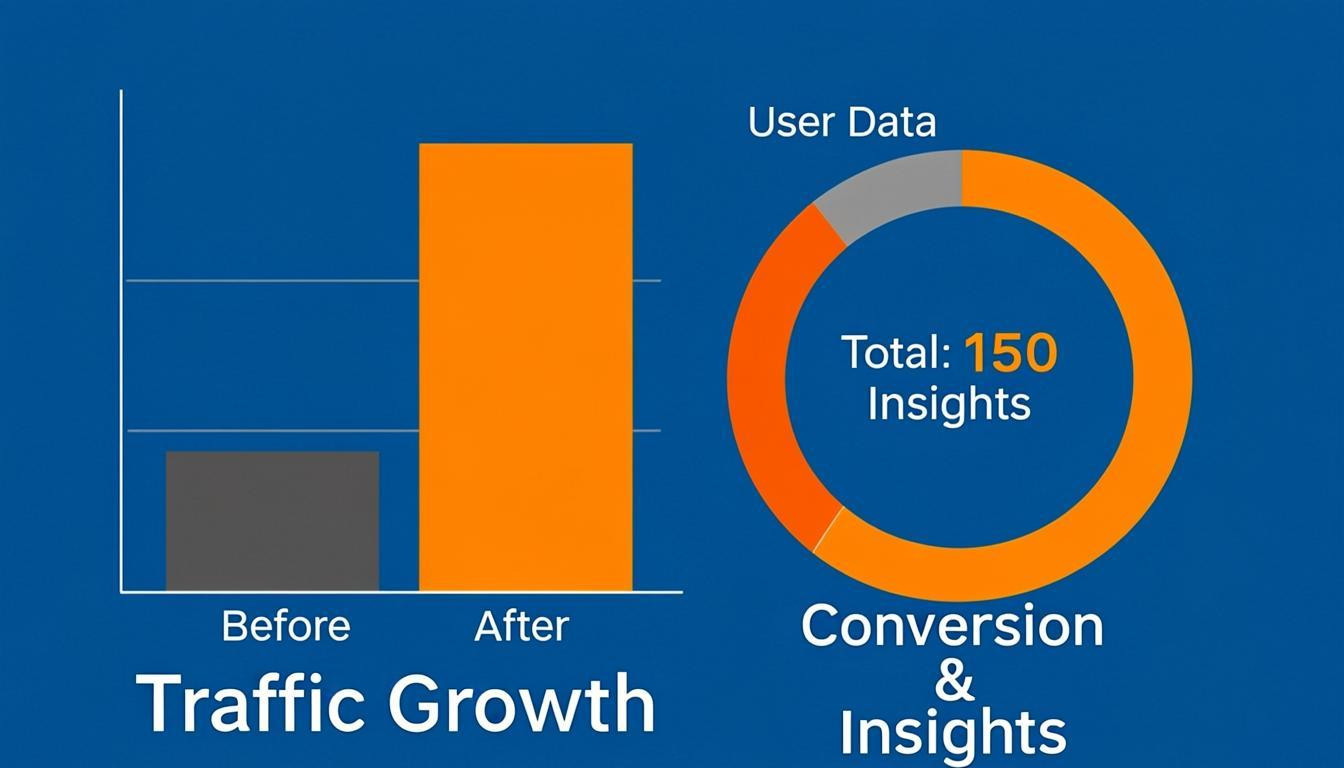
When determining what makes a website successful, relying on static designs is insufficient. Success requires a commitment to continuous improvement through rigorous data analysis and user-centric personalization. By tracking user behavior, traffic patterns, and conversion rates, site owners can identify friction points and make informed decisions to enhance performance.
Personalization further amplifies success by tailoring the user experience to individual needs. Instead of displaying generic content, dynamic adjustments can be made based on behavior, location, or demographics. This relevance increases engagement and significantly boosts conversion rates.
To implement this effectively, consider the following steps:
- Install robust analytics tools to monitor user behavior, traffic sources, and conversion goals.
- Analyze data regularly to uncover trends and technical issues that may hinder user experience.
- Implement dynamic content that changes based on a visitor's past interactions or geographic location.
- Conduct A/B testing on headlines, calls to action, and layouts to refine your approach over time.
By treating your website as an evolving project rather than a finished product, you ensure it remains competitive and aligned with user expectations.
Conclusion
Understanding what makes a website successful requires more than just technical coding skills; it demands a holistic approach that blends design, business strategy, and user needs. A high-performing site is built on a foundation of clear communication, mobile-first responsiveness, and optimized speed. Success comes from prioritizing user experience to ensure visitors can find information instantly and navigate intuitively. Furthermore, integrating SEO practices with quality design is essential to maximize organic visibility and secure strong search engine placements.
To achieve lasting results, you must treat your website as an evolving project rather than a static asset. Regular testing across devices, refining based on user data, and leveraging AI tools can significantly enhance performance and relevance.
- Collaborate with cross-functional teams to ensure visual appeal meets technical practicality
- Continuously monitor load times and navigation flows
- Adapt your strategy based on user feedback and engagement metrics
Ultimately, the difference between an average site and a thriving online presence lies in execution and attention to detail. Focus on these core pillars to build a robust platform that drives growth. Take action today to audit your current setup and implement these strategies for immediate improvement.

Comments
0