
Why You Are Missing This Critical Thyroid Symptom
We often think thyroid issues announce themselves with obvious weight gain or fatigue, but the reality is much sneakier. You might feel "off" for months, chalking it up to stress or aging, while you are missing this critical thyroid symptom that isn't on the standard checklist. Non-classic indicators are actually incredibly common, manifesting as brain fog, brittle nails, or that weird feeling of being cold when everyone else is comfortable. Because these symptoms feel vague, we tend to brush them aside as just another bad day.
The problem is that standard screenings usually only look at TSH levels, which can appear normal even when your thyroid is struggling. This leads to a false sense of security, leaving you to wonder why you still feel exhausted despite a "clean" bill of health. Dismissing these subtle signs is dangerous because it allows underlying imbalances to fester, potentially worsening over time.
If you’ve been told your labs are normal but you still don't feel like yourself, pay attention to these overlooked clues:
- Unexplained dry skin or hair thinning
- Persistent constipation or slow digestion
- Mood swings that seem disproportionate to your day
- Muscle aches that have no clear cause
Your body is whispering that something needs attention. Don't let the subtlety of these signs fool you into thinking they aren't real.
The Role of Cognitive Function in Thyroid Health
It is incredibly frustrating to feel like your brain is wrapped in thick fog, forgetting simple words or losing your train of thought mid-sentence. If you have been blaming stress or aging for your mental sluggishness, you are missing this critical thyroid symptom. Your thyroid hormones are the fuel for your brain's metabolism; when levels drop, your cognitive engine sputters. This isn't just about feeling tired—it is about a genuine physiological disconnect where your brain cannot process information efficiently.
Hormonal fluctuations can hijack your mental clarity, making focus feel impossible. You might notice you are reading the same paragraph over and over without absorbing it, or struggling to balance your checkbook when you used to be a math whiz. These changes are often misdiagnosed as anxiety, depression, or early-onset dementia because blood tests do not always capture the cellular struggle happening in your brain.
Look out for these specific cognitive red flags:
- Unexplained memory lapses and "brain fog"
- Difficulty concentrating on complex tasks
- Slow reaction times and mental fatigue
- Feeling easily overwhelmed by minor decisions
Acknowledging this connection is the first step toward reclaiming your sharpness and feeling like yourself again.
Struggling with Thyroid Issues?
Some women support thyroid balance using supplements like Thyrafemme is designed to support healthy thyroid function and hormonal balance naturally.
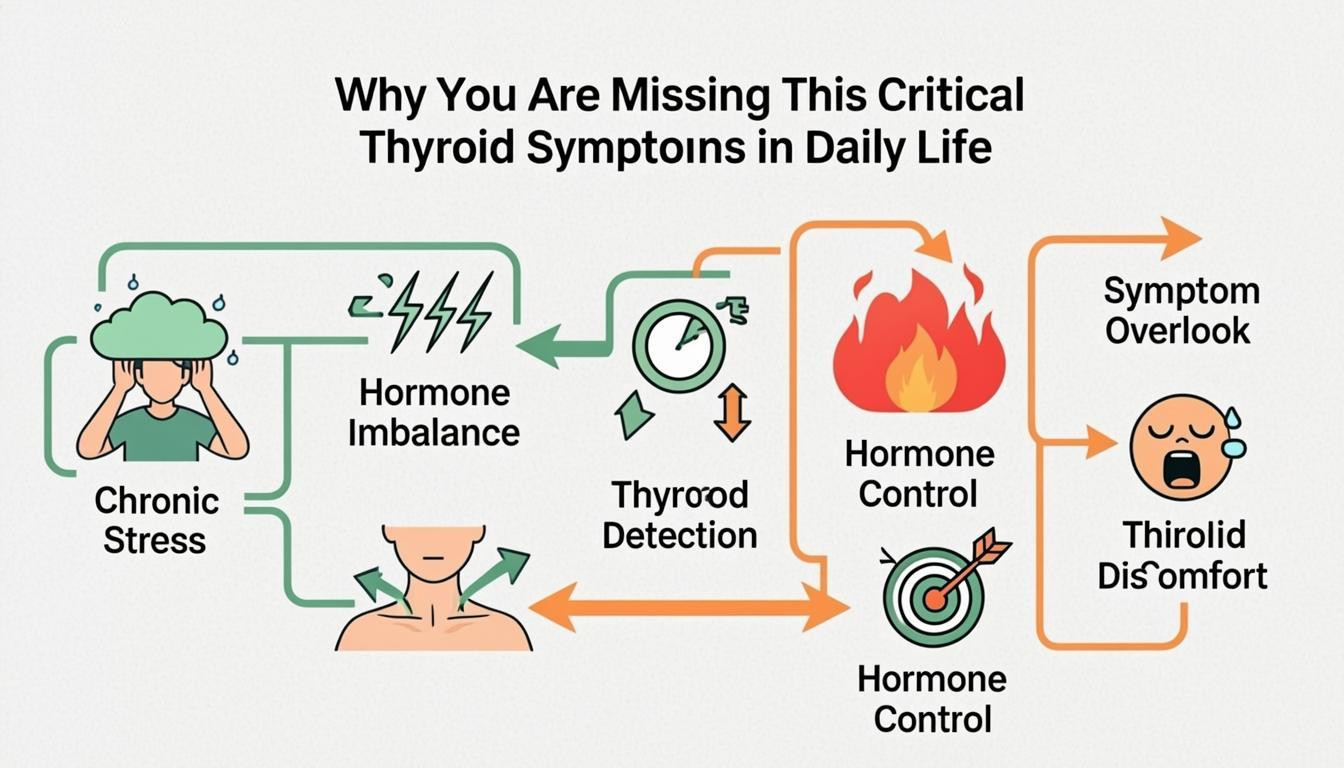
Why You Are Missing This Critical Thyroid Symptom in Daily Life
We often mistake the heavy, dragging exhaustion of a thyroid imbalance for just a "busy life." You might feel like you could sleep for ten hours and still wake up unrefreshed, but you tell yourself it’s just stress or a bad night’s rest. This is you are missing this critical thyroid symptom: the profound, unshakable fatigue that no amount of coffee seems to fix. It’s not just about being sleepy; it’s a deep cellular tiredness that makes lifting your head off the pillow feel like a marathon.
There is a massive difference between normal tiredness and thyroid-related exhaustion. When you're simply tired, a good nap recharges you. With thyroid issues, the fatigue is constant and often accompanied by severe brain fog. You might walk into a room and completely forget why you’re there, or struggle to find the right words during a casual conversation. It feels like your thoughts are wading through thick mud, making simple decisions overwhelming.
Look out for these specific signs that go beyond general tiredness:
- Mental fatigue that hits by early afternoon, regardless of how much you slept.
- Difficulty focusing on a single task for more than a few minutes without getting distracted.
- Short-term memory lapses, like missing appointments or forgetting names you’ve known for years.
Recognizing this pattern is the first step toward feeling like yourself again. You aren't just getting old or burnt out; your body is asking for help.
The Impact on Metabolic Processes
When your thyroid struggles, your entire metabolic balance shifts, often leaving you feeling completely betrayed by your body. You might be eating clean and hitting the gym, yet the scale refuses to budge—or worse, it keeps climbing. This frustrating disconnect is because your thyroid acts as the body's thermostat, and when it slows down, you are missing this critical thyroid symptom: a stalled metabolic engine.
Beyond the struggle with weight, you might notice you are always reaching for a sweater even when everyone else is comfortable. That deep, bone-chilling cold is your body's way of conserving energy because it isn't generating enough internal heat.
- Unexplained weight changes: Gaining pounds despite a strict diet or inability to lose weight no matter how hard you try.
- Temperature sensitivity: Feeling freezing cold in mild weather or needing socks to bed year-round.
- Heart rate variations: Noticing your heart beating slower than usual or feeling dizzy when you stand up too quickly.
Your heart and blood pressure also take a hit. You might feel your pulse is unusually slow, or you experience weird drops in blood pressure that leave you feeling lightheaded. These aren't just random annoyances; they are clear signals your metabolism is crying out for help.
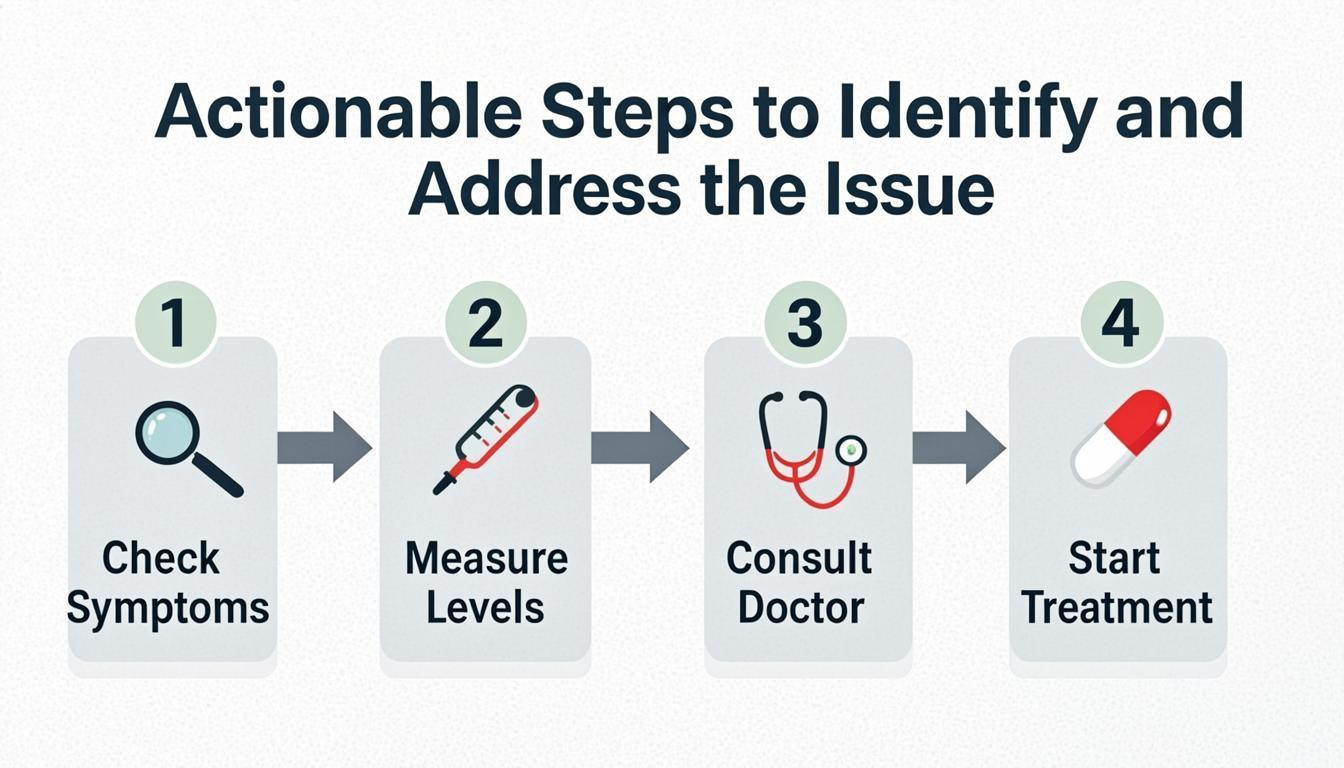
Actionable Steps to Identify and Address the Issue
If you suspect you are missing this critical thyroid symptom, stop relying solely on standard screenings. A basic TSH test often paints an incomplete picture of what’s actually happening in your body. You need to look deeper to uncover the hidden triggers of your fatigue and discomfort.
Start by demanding more comprehensive bloodwork. Ask your doctor to check your Free T3 and Free T4 levels, not just TSH. These active hormones reveal how your body is actually utilizing energy. You should also request testing for thyroid antibodies like TPO and TG, which can detect autoimmune activity years before your hormone levels change. Don’t forget to ask about your reverse T3 and ferritin levels, as iron deficiency is a major culprit that mimics thyroid dysfunction.
Next, become the detective of your own health. Keeping a detailed symptom journal is a game-changer for spotting patterns your doctor might miss. Track these daily for at least two weeks:
- Your morning basal body temperature
- Energy crashes throughout the day
- Sleep quality and duration
- Dietary triggers and bloating
Finally, know when it’s time to bring in a specialist. If your general practitioner dismisses your symptoms because your labs are "normal," don't give up. Consult a practitioner who truly understands endocrine dysfunction, such as an endocrinologist or a functional medicine doctor. You deserve answers, not just a pat on the back and a clean bill of health.
Lifestyle Modifications to Support Thyroid Function
If you have been focusing solely on medication while overlooking your daily habits, you are missing this critical thyroid symptom connection. Your diet acts as the foundation for hormone production. Without specific nutrients, your thyroid simply cannot function efficiently.
Focus on incorporating these key nutritional adjustments:
- Selenium and Zinc: Essential for converting thyroid hormones into their active forms.
- Iodine: Found in seafood and iodized salt, but balance is key to avoid triggering flare-ups.
- Anti-inflammatory foods: Berries, leafy greens, and fatty fish help lower overall inflammation.
We also cannot ignore the impact of chronic stress. When you are constantly overwhelmed, your body produces cortisol, which directly inhibits thyroid-stimulating hormone. This creates a vicious cycle where stress worsens thyroid symptoms, and thyroid issues increase anxiety. Prioritizing quiet time, yoga, or simple breathing exercises can significantly lower this burden.
Finally, let's talk about sleep. Poor sleep hygiene doesn't just leave you tired; it wrecks your cognitive function and worsens brain fog. Creating a restful environment is non-negotiable. Aim for seven to nine hours of quality rest by keeping your room cool and dark, and stepping away from screens at least an hour before bed. Small, consistent changes in your daily routine can make a massive difference in how you feel.
Moving Forward with the Right Diagnosis
Getting to the bottom of your health struggles often means becoming your own best advocate. If you still feel unwell despite "normal" lab results, you might be missing this critical thyroid symptom that standard testing overlooks. It is essential to request comprehensive screenings, including a full thyroid panel that checks TSH, Free T3, Free T4, and thyroid antibodies. Don't settle for a basic checklist when your body is signaling that something deeper is wrong.
When dealing with subclinical issues, understanding your treatment options is empowering. Even if your numbers are borderline, lifestyle changes and targeted support can make a world of difference before medication becomes necessary.
- Ask for a re-evaluation if your symptoms persist
- Discuss nutrient deficiencies like iron or Vitamin D
- Consider a trial period of natural desiccated thyroid if synthetic options fail
Monitoring your progress is key to long-term healing. Keep a simple journal of your symptoms, energy levels, and sleep quality. This data helps you and your doctor adjust your care plan effectively. Remember, healing is rarely a straight line, so be patient with yourself as you find the path that truly works for you.


Comments
0