
The Foundation: Choosing a High-Performance CMS
Picking the right content management system is the critical first step in building a successful blog. While many platforms offer basic publishing features, using a system with robust optimization capabilities is what separates average blogs from winners. A flexible CMS allows for granular control over technical elements that directly influence search engine visibility.
For WordPress users, integrating specific plugins can significantly enhance SEO functionality. Tools like Yoast SEO provide essential features such as meta title and description management, XML sitemap generation, and schema.org structured data implementation. These additions simplify complex tasks like URL management and breadcrumb support, ensuring the site architecture adheres to best practices.
When evaluating platforms, look for solutions built specifically for organic growth. Some modern CMS options are designed as cohesive growth engines that align content strategies with long-term business objectives. Beyond the backend, the front-end experience must accommodate all users. Ensuring mobile readability and site accessibility is non-negotiable, as search engines prioritize sites that function seamlessly across devices and serve diverse audiences. Prioritizing these technical foundations creates a sustainable environment for content to thrive.
Build a Winning Blog Foundation
Fuel your growth with Hostinger’s fast, reliable WordPress hosting designed for performance and SEO success.
Streamlined Workflows: How Tech Efficiency Sets Winners Apart
In the competitive landscape of digital publishing, efficiency is key. It is not merely about producing more content, but producing it smarter. Streamlined workflows that leverage advanced technology allow successful publishers to scale operations while maintaining high standards.
Automating content transfer with formatting tools significantly reduces production time. Instead of manually copying and pasting text and fixing broken images, writers can use specialized software to upload fully formatted drafts directly into a content management system with a single click. These tools ensure that images, alt attributes, and meta details are preserved instantly, saving hours on every long-form post.
Integrating artificial intelligence into the creation process further enhances efficiency. Modern platforms offer brand voice training, allowing teams to generate drafts that match specific stylistic guidelines. This technology aids in research and ideation, though human perception remains essential for maintaining authenticity and meeting the Experience, Expertise, Authority, and Trustworthiness (E-E-A-T) standards preferred by search engines.
Finally, managing editorial tasks with centralized software brings cohesion to the process. Such platforms help teams:
- Track assignments and deadlines in real-time
- Facilitate collaboration across different departments
- Align content strategies with broader business goals
By adopting these efficient technologies, blogs build a foundation for sustainable growth and long-term success.
Strategic Content Planning and Niche Focus
To truly grasp what separates average blogs from winners, recognize that successful sites prioritize a narrow focus over broad reach. Rather than covering general topics like "food," winning blogs target specific identities, such as "vegan baking for athletes." This hyper-niche approach fosters a dedicated community and establishes the author as an expert. Writers must also remember to address the audience's specific needs and challenges rather than writing solely for personal satisfaction.
Building topic clusters is essential for establishing comprehensive authority. Instead of isolated posts, content should be structured into interconnected groups. Performance data consistently shows that long-form content, often exceeding 2,000 words, earns significantly more backlinks and social shares than shorter pieces. Comprehensive guides that include original data or a table of contents see higher engagement levels.
Finally, implementing a consistent posting schedule is critical. Realistic timelines suggest that the first six months should focus on foundational content and audience building.
- Month 3 Targets: Aim for 12-24 published posts and 100-500 email subscribers.
- Engagement Goals: Target an average time on page of over 3 minutes and an email open rate of 40% or higher.
By adhering to these benchmarks and maintaining a steady cadence, a blog can transition from a hobby to a growing asset.
Traffic Diversification and Amplification Tactics
Moving beyond basic publishing is essential for active audience expansion. Relying solely on search traffic is a risky strategy. Instead, successful bloggers repurpose content for social media and community platforms. Rather than simply dumping links, transform blog posts into platform-native formats. This includes creating TikTok clips or Reels, drafting LinkedIn mini-articles, or designing eye-catching visuals.
Leveraging paid promotion provides a necessary boost for high-stakes campaigns or product launches. Effective tactics often involve:
- Running PPC ads to drive targeted traffic to specific posts
- Using sponsored content to reach entirely new audiences
- Retargeting past visitors with personalized ads
Sustainable growth requires optimizing for E-E-A-T. This framework focuses on experience, expertise, authoritativeness, and trustworthiness. High-quality content keeps visitors engaged, with an average time on page of three minutes or more serving as a strong indicator of success. By combining paid amplification with a foundation of trust, a blog can secure consistent organic traffic and long-term viability.
Audience Ownership and the Power of Newsletters
Building a solid email list is essential because it creates a direct line to your audience that is unfiltered by constantly changing algorithms. While blog posts must compete with millions of others in search results and social feeds, newsletters land directly in the reader's inbox. Prioritizing this channel is a key factor that separates average blogs from winners. Successful content businesses are built on this foundation, allowing you to own your traffic rather than rent it from third-party platforms.
To maximize the value of your list, you must set specific targets for growth and engagement. Hyper-specific content attracts readers with clear intent, making them more likely to subscribe and return. Focus on metrics that indicate genuine interest rather than just vanity numbers.
Key strategies for converting visitors into loyal readers include:
- Offering interactive elements: Simple additions like polls, quizzes, or calculators can significantly increase the time readers spend on your page while providing valuable insights into their preferences.
- Starting simple: Launch with weekly roundups of your best insights to maintain consistency.
- Maintaining relevance: Prioritize relevance over broad reach, as smaller, focused audiences outperform larger ones with vague interest.
By treating your newsletter as a core asset rather than an afterthought, you build a sustainable community that supports long-term growth.
Performance Metrics and Long-Term Growth
Tracking essential KPIs is vital for measuring success and identifying areas for improvement. Focus on metrics that indicate content quality and audience loyalty. By the third month, a healthy blog aims for an average time on page of at least three minutes, signaling that readers find the material valuable. Additionally, returning visitors should comprise over 20% of total traffic, demonstrating a growing, dedicated audience.
Analyzing data allows you to refine content strategies and align them with broader business objectives. For instance, if long-form content over 2,000 words consistently earns more backlinks and social shares, it makes sense to prioritize depth in future articles. Regularly reviewing performance helps you retire tactics that no longer serve your goals. Use this feedback loop to ensure your efforts contribute directly to revenue growth and sustainable expansion.
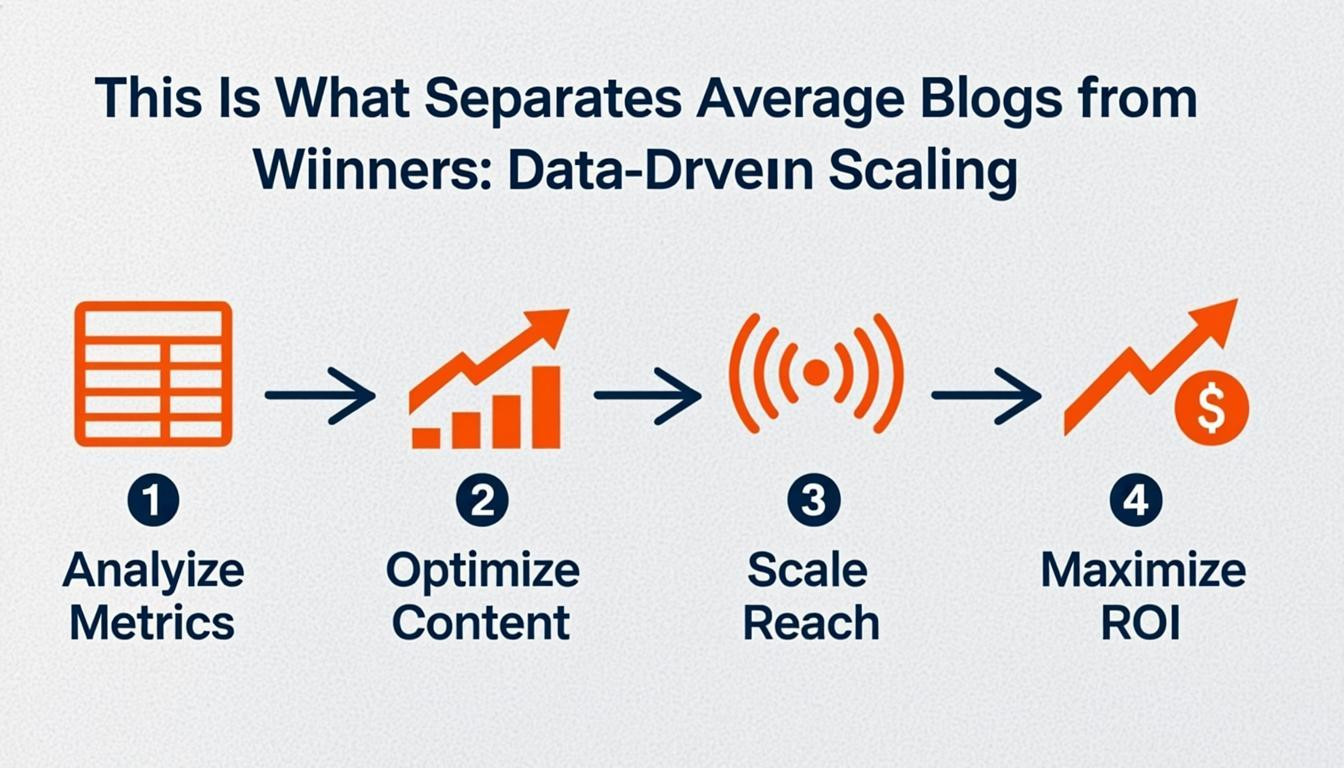
This Is What Separates Average Blogs from Winners: Data-Driven Scaling
The difference between a stagnant site and a thriving publication is the ability to scale based on concrete evidence. Sustainable growth requires a mix of SEO, high-quality content, social media, and continuous measurement. Rather than guessing what works, successful bloggers scale their "winner" content—refreshing top-performing posts and expanding successful topic clusters. This approach ensures resources are spent on tactics that drive traffic and engagement, turning a simple blog into a powerful business asset.
Conclusion: This Is What Separates Average Blogs from Winners
Achieving sustainable growth requires more than just writing; it demands a holistic strategy. This is what separates average blogs from winners: a combination of precise focus, unwavering consistency, and rigorous optimization. While the average attention span has dropped to under a minute, successful blogs capture interest immediately by being hyper-specific rather than broad. For example, a site dedicated to "vegan baking for athletes" builds a more loyal community than a generic food blog.
You must view your blog as a "mini-media" experience where your content acts as the central hub. To bridge the gap between mediocrity and success, take immediate action on these pre-launch and optimization steps:
- Launch with a foundation: Publish 3 to 5 initial posts and ensure your About and Contact pages are visible.
- Optimize for scanning: Verify visitors can understand your topic within seconds and that the site is fully readable on mobile devices.
- Commit to consistency: Establish a regular posting schedule, as consistency yields significantly higher engagement than sporadic updates.
- Check functionality: Test every link to prevent errors that damage trust.
Do not wait for perfection. Progress comes from starting, refining, and serving a specific audience with reliable value.


Comments
0