

The Silent Epidemic of Thyroid Dysfunction
It starts with a whisper, not a scream. You might be ignoring this small sign, like brittle nails or a chill you just can't shake, passing it off as a bad night's sleep. The truth is, millions of women are walking around with undiagnosed thyroid dysfunction right now. Because the symptoms are so subtle, they often fly under the radar for years.
We’ve been conditioned to think feeling constantly exhausted or gaining a few pounds is just part of getting older or dealing with a stressful job. But when your thyroid struggles, it impacts everything from your metabolism to your mood.
Here is why early detection changes everything:
- Prevents long-term metabolic damage
- Protects your heart health
- Restores your energy and mental clarity
Don't let your body scream for help before you listen. Treating these issues early stops the cascade of symptoms that make you feel like you're aging overnight. You aren't just "tired"—you deserve to feel vibrant again.
Why You Might Be Ignoring This Small Sign of Fatigue
We’ve all been there—dragging ourselves through the afternoon, blaming it on a bad night's sleep or a busy week. But you might be ignoring this small sign that points to something deeper happening beneath the surface. It is incredibly easy to dismiss thyroid fatigue as just "life getting in the way," but there is a distinct difference between needing a nap and feeling like your battery is permanently stuck at 10%.
Distinguishing Between Tiredness and True Thyroid Fatigue
Normal tiredness usually hits after a long day and goes away after a good night's rest. Thyroid fatigue, on the other hand, is a relentless, heavy exhaustion that sleep doesn't fix. It feels like wading through deep mud every single day, regardless of how much you rest.
The Gradual Onset That Makes It Hard to Notice
The tricky part is that this exhaustion doesn't happen overnight. It creeps up on you so slowly that you adjust your entire life to accommodate it without even realizing it. You might stop going to the gym, skip social events, or rely heavily on takeout because cooking feels impossible. Because the decline is so gradual, you accept this new low-energy normal as just who you are now.
Why Energy Drinks and Caffeine Mask the Problem
It’s tempting to reach for another cup of coffee or an energy drink to push through the fog. While stimulants might give you a temporary spike, they are essentially just putting a band-aid on a deeper issue. They mask the signals your body is sending you, often leading to:
- Jittery crashes that leave you feeling more drained than before
- Increased anxiety that mimics the symptoms of hyperthyroidism
- Disrupted sleep patterns that further exhaust your thyroid
Listening to your body is the first step toward healing, so don't let these subtle warning signs go unnoticed.
Unexplained Temperature Changes and Your Thyroid
Have you ever found yourself reaching for a heavy sweater while everyone else is perfectly comfortable in a t-shirt? It is easy to dismiss these chills as just "being cold-natured," but you might be ignoring this small sign that your thyroid is struggling to keep up. When your thyroid slows down, it essentially turns down the thermostat on your metabolism, leaving you persistently freezing even in mild weather.
On the flip side, you might wake up in the middle of the night with your sheets soaked in sweat, feeling like the radiator is blasting full force when it is actually turned off. This confusing mix of feeling overheated one moment and shivering the next is physically draining and often misunderstood.
These temperature swings are largely due to how thyroid hormones control your blood circulation. When hormone levels drop, your blood vessels constrict to preserve heat, reducing blood flow to your skin and extremities. This is why your hands and feet might always feel like ice blocks. Listen to what your body is telling you through these temperature shifts:
- Needing layers when others are in shorts
- Sudden drenching night sweats
- Ice-cold fingers and toes year-round
Paying attention to these subtle cues is the first step toward understanding what is really happening inside your body.
Skin and Hair Changes You Might Be Ignoring
We often dismiss little changes in our appearance, blaming them on the weather or a bad hair day. But when your body is whispering that something is off, you might be ignoring this small sign that points to a deeper issue. If your usual lotion isn't cutting it, or your hair feels different than it used to, it's time to pay closer attention.
Dry, Itchy Skin That Moisturizer Won't Fix
It’s one thing to have a bit of winter dryness, but if your skin feels like sandpaper no matter how much you hydrate, take note. This happens because your metabolism slows down, reducing sweating and the natural oils that keep your skin supple. You might notice rough patches on your elbows or extremely dry, cracked heels that nothing seems to heal.
Thinning Hair or Changes in Hair Texture
I remember looking in the mirror and realizing my ponytail was half its usual size. It’s devastating, but thyroid issues can interrupt your hair growth cycle, pushing follicles into a resting phase. You might see:
- Excessive shedding in the shower
- Thinning eyebrows, especially the outer third
- Hair that becomes dry, brittle, and coarse
Brittle Nails as an Overlooked Symptom
Don't overlook your fingernails. They are often the first to show signs of nutritional or hormonal shifts. If your nails are peeling, splitting easily, or developing vertical ridges, it’s not just a "bad manicure." It’s another signal from your body that needs a proper check-up.
The Impact on Mood and Cognitive Function
Have you ever walked into a room and completely forgotten why? Or maybe you feel like your brain is wading through thick molasses, making simple tasks feel exhausting. We often brush these moments off as stress or lack of sleep, but you might be ignoring this small sign that your thyroid is struggling.
When your thyroid hormones are out of balance, your brain feels the effects immediately. Brain fog isn't just in your head; it's a very real symptom that makes focusing on work or even finishing a sentence incredibly difficult.
Beyond the fuzziness, your emotional stability can take a hit, too. You might notice:
- Sudden, unexplained anxiety that hits you out of nowhere
- Mood swings that make you feel like an emotional rollercoaster
- Irritability over things that normally wouldn't bother you
There is also a deep connection between thyroid function and depression. Low hormone levels can mimic the signs of clinical depression, leaving you feeling sad, hopeless, or completely uninterested in life. If you are treating your mood with therapy or medication but don't see improvement, it is worth checking if your thyroid is the root cause. Balancing your body often clears the mental cloud, helping you feel like yourself again.
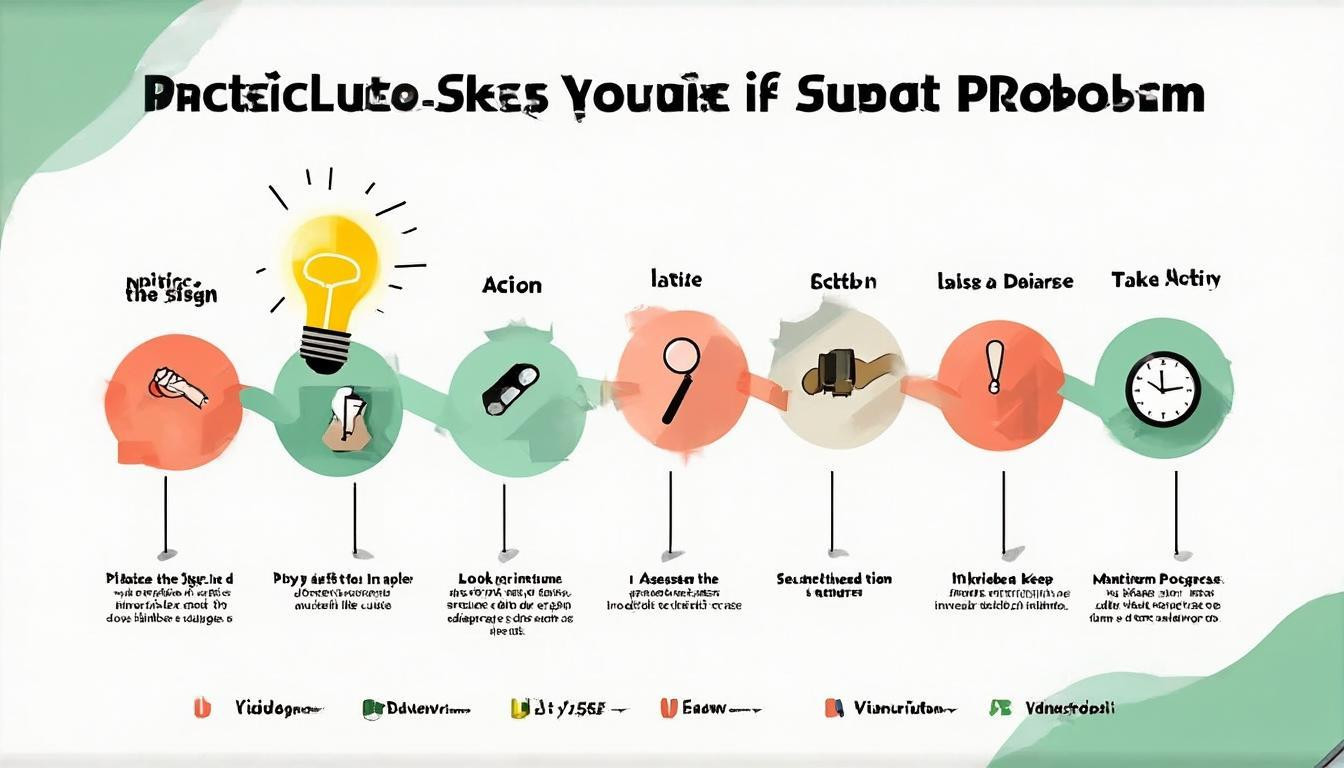
Practical Steps to Take if You Suspect a Problem
Stop Ignoring Thyroid Signs
Support your thyroid balance naturally. Thyrafemme helps restore energy and wellness so you can feel vibrant again.
If you might be ignoring this small sign like persistent fatigue or brittle nails, it is time to take action. Start by keeping a simple symptom journal. Note how you feel each day, your energy levels, and any physical changes. This helps you spot patterns that are easy to miss when you are just trying to get through the week.
When you visit your doctor, be specific about the blood tests you need. A standard screening often is not enough. You want to request a full panel that goes beyond basic numbers. Ask for:
- TSH (Thyroid Stimulating Hormone)
- Free T3 and Free T4
- Thyroid peroxidase (TPO) antibodies
- Vitamin D and B12 levels
Finally, look at your plate. Small dietary shifts can make a big difference in how you feel. Focus on whole foods rich in selenium, like Brazil nuts, and iodine, such as seaweed. Reducing processed sugar helps stabilize your energy, while gluten-free options may ease inflammation for some women. Taking these steps puts the power back in your hands.
When to Seek Professional Medical Help
It’s easy to brush off exhaustion or a bit of weight gain as just "stress" or getting older, but you might be ignoring this small sign that your thyroid needs attention. You know your body better than anyone, so listen when it tells you something feels off.
If your symptoms are starting to interfere with your daily life—like struggling to get out of bed, constant brain fog, or feeling freezing when everyone else is comfortable—it is time to seek support. Don't wait until you are completely burned out.
Certain risk factors mean you should screen immediately, even if your symptoms seem manageable. Keep a close eye on things if you have a family history of thyroid issues, have recently given birth, or have been diagnosed with an autoimmune condition like Type 1 diabetes.
To make the most of your doctor's appointment, go in prepared. It helps to have a clear picture of your health ready to discuss:
- Keep a simple symptom diary noting how you feel physically and emotionally.
- List any family history of thyroid or autoimmune diseases.
- Write down specific questions you want answered so you don't forget in the moment.
Advocating for yourself isn't pushy; it is necessary. You deserve to feel like yourself again.


Comments
0