
Understanding The Complexity Of Thyroid Dysfunction
It often feels like we’re stuck in a fog when our thyroid acts up, but distinguishing between hypothyroidism and hyperthyroidism is the first step to clarity. Imagine your body as a car; hypothyroidism is like driving with the parking brake on, leaving you exhausted, cold, and unable to lose weight. Hyperthyroidism, on the other hand, is like a car racing in neutral—you might feel anxious, shaky, and experience a racing heart despite being still.
What many women don't realize is this is what doctors don’t explain about thyroid problems: a standard TSH test is just a piece of the puzzle. That single number might look "normal" on paper while you still feel terrible because it doesn't measure the actual thyroid hormones (T3 and T4) circulating in your body.
We also have to look at the immune system. Most thyroid dysfunction isn't just a glitch in the gland itself; it’s an autoimmune attack.
- Hashimoto’s thyroiditis attacks the gland, slowing it down.
- Graves’ disease creates antibodies that force the thyroid to work overtime.
Understanding if your immune system is involved changes everything about how you approach healing. It is not just about replacing hormones; it is about calming the internal storm happening within your own body.
This Is What Doctors Don’t Explain About Thyroid Problems And Diagnosis Gaps
You know that feeling when you’re exhausted, your hair is falling out, and the doctor says your blood work is "normal"? It is incredibly frustrating, but this is what doctors don’t explain about thyroid problems: the standard testing model often misses the bigger picture. Most physicians rely almost exclusively on Thyroid Stimulating Hormone (TSH) to screen for issues. While TSH is a signal from the brain, it doesn’t always tell you what your thyroid is actually producing.
Here is what is frequently left out of the conversation:
- The TSH Trap: Your TSH can fall within the "normal" lab range even if your actual thyroid hormones are plummeting.
- Why Free T3 and Free T4 Matter: You need to know the levels of Free T3 and Free T4. These are the active hormones available for your body to use. If your body cannot convert T4 into the active T3, you will still feel terrible.
- The Antibody Connection: Testing for thyroid antibodies is crucial for detecting autoimmune conditions like Hashimoto’s. You can have normal hormone levels for years while antibodies silently attack your gland.
Don't be afraid to ask for a complete picture. Knowing these specific numbers can be the difference between struggling with symptoms and finally getting the right treatment.
The Impact Of Lifestyle And Nutrition On Thyroid Health
Unlock Complete Thyroid Support
Calm the internal storm and reclaim your energy with Thyrafemme, designed to balance hormones and fill the gaps left by standard care.
If you’ve been feeling off despite taking your medication, listen up, because this is what doctors don’t explain about thyroid problems. It is not just about popping a pill; your daily habits play a massive role in how well you actually feel.
Your thyroid needs specific fuel to do its job. Without the right building blocks, it struggles to produce hormones effectively. You need to prioritize these key nutrients:
- Selenium helps convert inactive hormones into the active form your body can use.
- Zinc is essential for synthesizing thyroid hormones.
- Iron carries oxygen to the thyroid to keep it functioning.
I know how overwhelming stress can feel, but high cortisol levels act like a handbrake on your thyroid. When you are constantly in fight-or-flight mode, your body deliberately slows down metabolism to conserve energy, making your symptoms worse.
Finally, never underestimate your gut. A huge portion of your immune system lives there, and an unhealthy gut is often the trigger for autoimmune attacks on your thyroid. Healing your digestion is a crucial step toward calming that internal immune storm.
Why You Still Feel Symptoms Despite "Normal" Lab Results
There is nothing more frustrating than sitting in a doctor’s office, hearing your numbers are "normal," while you feel like your battery is stuck at 5%. If this sounds familiar, this is what doctors don’t explain about thyroid problems: standard lab ranges often miss the bigger picture. You might be dealing with functional hypothyroidism, where your blood work looks fine on paper, but your cells are actually starving for energy. It’s like having a pantry full of unopened groceries—you have the supplies, but they aren't making it to the table where they're needed.
Sometimes, the issue isn't how much hormone you produce, but how your body uses it. Tissue resistance to thyroid hormones occurs when your cells become stubborn and refuse to let the hormone in to do its job. Even if your TSH levels are perfect, you can still feel exhausted and foggy because the signal isn't getting through.
Often, this is what doctors don’t explain about thyroid problems—the real culprits hiding in the background. Unaddressed root causes can keep your system stuck in low gear, such as:
- Chronic inflammation wreaking havoc on your cellular receptors
- Hidden infections like viruses or bacteria that your body is constantly fighting
- High cortisol levels from stress that block thyroid conversion
Until we look past the lab slip and address these underlying barriers, those symptoms aren't likely to budge. You deserve to feel heard, not just "read" on a chart.
This Is What Doctors Don’t Explain About Thyroid Problems Regarding Medication
When you first get that prescription, it feels like the final piece of the puzzle, but the journey often doesn't end there. One major thing that gets overlooked is the big debate between synthetic and natural hormones. You might assume a lab-created pill is the only way, but desiccated thyroid derived from pigs is an option that contains both T4 and T3. Some women feel incredibly vibrant on natural options, while others stabilize better on synthetic levothyroxine; it is deeply personal, not one-size-fits-all.
Finding your magic dose is rarely a straight line. Your optimal amount depends on factors like how well your body converts T4 to the active T3, your stress levels, and even how you absorb nutrients. A dose that makes your friend feel amazing could leave you feeling jittery or still exhausted.
It is also crucial to watch out for what else you are putting in your body. Certain things can throw your entire thyroid treatment off balance without you realizing it.
- Calcium and iron supplements: These can block your body from absorbing the medication if taken too close together.
- Antacids and proton pump inhibitors: They alter stomach acidity, which can change how effectively your thyroid medicine enters your bloodstream.
- Coffee: That morning cup of joy can interfere with absorption if you drink it with your pill.
Understanding these nuances helps you advocate for the care you actually deserve.
Managing Thyroid Health Beyond Prescription Medication
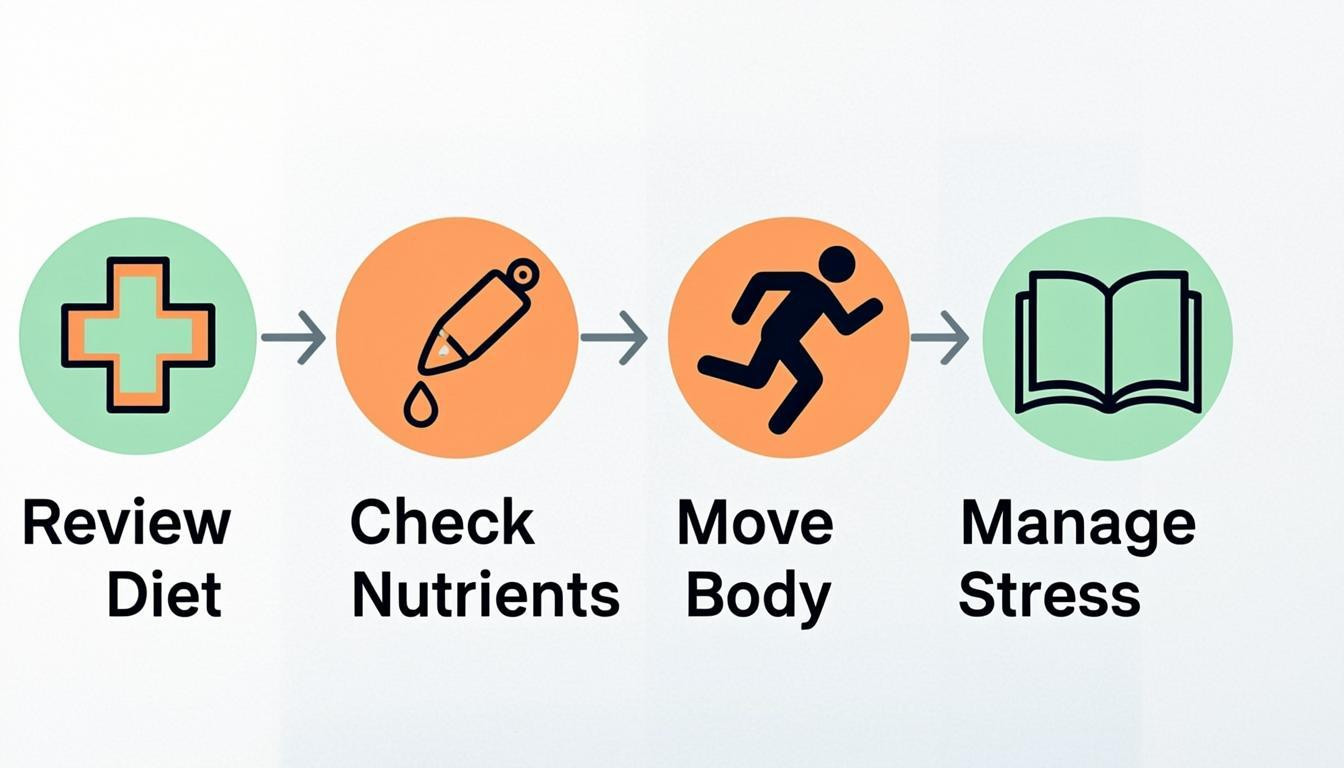
This is what doctors don’t explain about thyroid problems: a pill alone rarely fixes everything. I learned the hard way that true healing happens when you support your body with daily lifestyle choices.
Start by looking at your plate. Reducing inflammation is key because it directly impacts how your thyroid hormones function. Focus on eating whole, unprocessed foods to calm your immune system.
- Cut the sugar: It spikes inflammation and wrecks your energy.
- Embrace healthy fats: Avocados and olive oil support hormone production.
- Go gluten-free: Many women feel better when they reduce gluten, as it can trigger autoimmune responses.
Never underestimate the power of sleep. Your body does its best repair work while you rest, and poor sleep disrupts the delicate balance of your hormones. Aim for seven to nine hours of quality rest by keeping your room cool and dark, and turning off screens an hour before bed.
Finally, managing stress is non-negotiable. High cortisol keeps your body in "fight or flight" mode, which blocks your thyroid from working properly. Gentle movement like yoga or walking can lower stress levels without exhausting you. When you combine these habits with your medication, you give your thyroid the real support it needs.
When To Seek A Specialist Or Second Opinion
There often comes a point where you realize your current care just isn't cutting it. Maybe you're taking your medication every day, but you still feel like you're wading through molasses. This is what doctors don’t explain about thyroid problems: "normal" lab results don't always mean you feel your best. If your symptoms persist despite treatment, or if you're constantly dismissed with vague advice to "watch your stress," it might be time to dig deeper.
You deserve to feel heard, not just treated like a set of numbers on a page. Before you walk away, advocate for yourself with the right questions. Ask specifically about your free T3 and reverse T3 levels, not just TSH. Inquire about optimal ranges versus standard reference ranges, and ask if adrenal fatigue could be playing a role. If the answers feel rushed or generic, trust that gut instinct.
Finding a practitioner who looks at the whole picture is life-changing. Look for a functional medicine doctor or a naturopath who understands that hormones are interconnected. You want someone who asks about your sleep, stress, and diet, rather than just writing a prescription. Here is what to look for in a new provider:
- A willingness to run comprehensive panels beyond basic TSH
- An open mind about natural desiccated thyroid or combination therapy
- A focus on root causes like nutrient deficiencies and gut health
You know your body better than anyone else. Don't settle for feeling "okay" when you have the potential to thrive.


Comments
0