
Is Your Green Smoothie Harming Your Thyroid?
If you’ve been scrolling through wellness blogs or health groups lately, you may have stumbled upon a scary headline or two. Suddenly, the very foods you’ve been told are "superfoods"—like broccoli, kale, and spinach—are being labeled as dangerous. It’s confusing and frustrating. You’re trying to do the right thing for your body, piling on the veggies, only to wonder if you’re actually doing more harm than good.
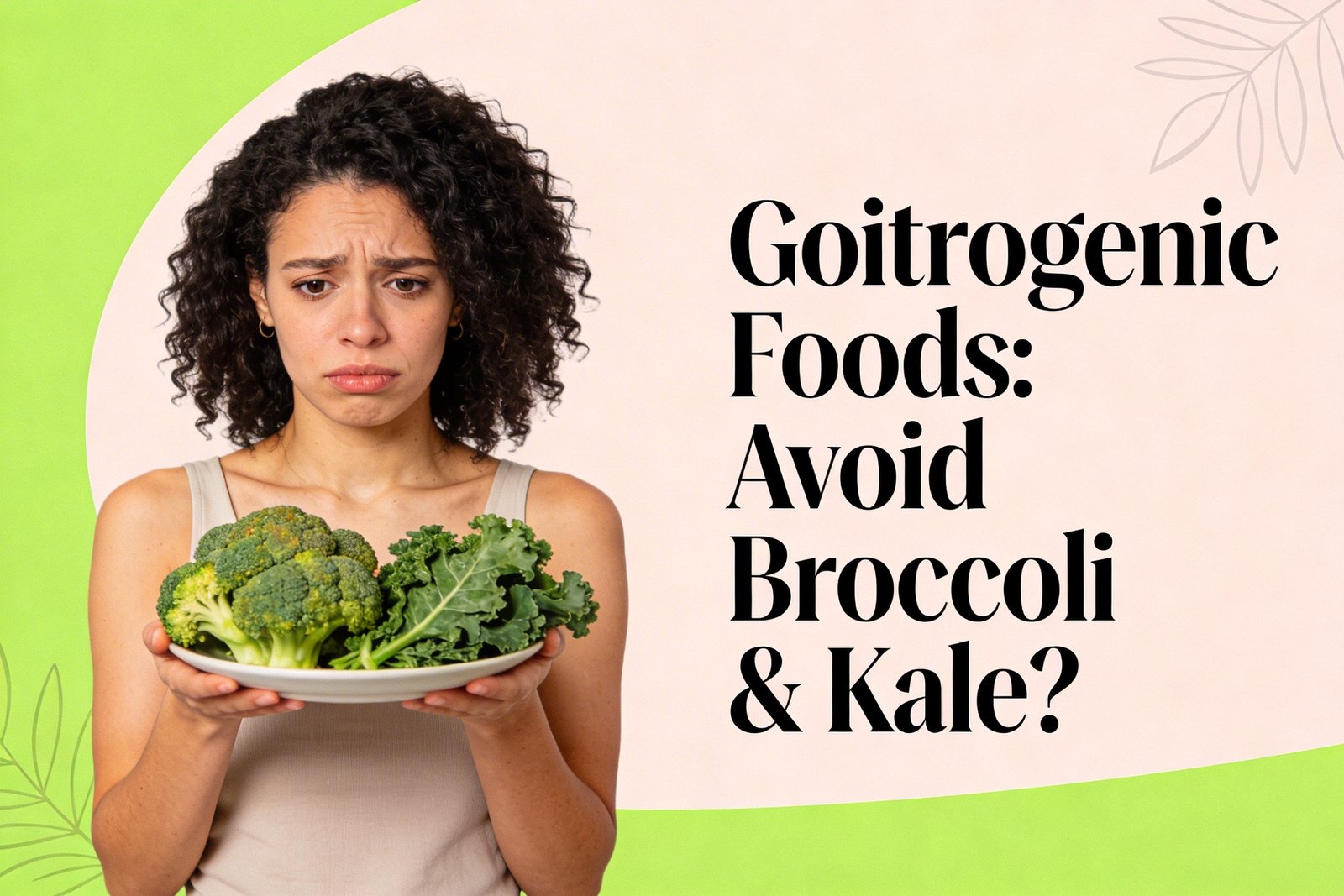
Take a deep breath. We know how overwhelming nutrition advice can be, especially when it feels like the rules change every week. If you’ve been worried about goitrogenic foods: should you avoid broccoli and kale? you aren’t alone. This is a common concern for many women navigating hormone health. In this article, we’re going to cut through the noise, explain the science simply, and help you feel confident about what’s on your plate.
What Are Goitrogenic Foods?
Let’s start with the basics. The term "goitrogenic" sounds like a scary chemical, but it simply refers to naturally occurring compounds in certain foods that can interfere with thyroid function. The thyroid is that butterfly-shaped gland in your neck that controls your metabolism, energy, and mood. When these compounds are consumed in very large amounts, they can potentially block the thyroid from using iodine, a mineral essential for producing hormones.
However, "interfere" doesn’t mean "ruin." These foods are not toxins; they are plant-defense mechanisms. For the vast majority of women, eating these foods is incredibly beneficial. The confusion often arises because we are looking at these foods in a vacuum rather than as part of a whole, varied diet. So, when asking goitrogenic foods: should you avoid broccoli and kale? the short answer is usually no—but there are nuances to consider.
Signs and Symptoms of Thyroid Sensitivity
Why does this matter so much? Because women are statistically more likely to develop thyroid issues than men, particularly during times of hormonal fluctuation like pregnancy or perimenopause. If your thyroid is already struggling, you might be more sensitive to these compounds.
Here are some common signs that your thyroid might need a little extra TLC:
- Unexplained fatigue: Feeling tired even after a full night's sleep.
- Weight gain or difficulty losing weight: Despite eating clean and exercising.
- Feeling cold: Especially when your hands and feet are freezing, but others are comfortable.
- Brain fog: Trouble concentrating or forgetting words mid-sentence.
- Hair loss: Noticeable thinning, particularly at the outer edges of your eyebrows.
- Digestive issues: Chronic constipation or bloating.
If these symptoms sound familiar, it’s natural to look at your diet for answers. But before you purge your fridge of greens, let’s look at the root causes.
Support Your Thyroid Daily
Ease your mind and support healthy hormone balance naturally with Thyrafemme.
Common Causes of Thyroid Imbalance
It is rarely just the kale. Thyroid issues are complex and usually stem from a combination of factors. Here are five common underlying contributors:
1. Iodine Deficiency: This is the primary reason goitrogens can become an issue. If you don’t have enough iodine in your diet, the compounds in cruciferous vegetables are more likely to cause a problem. 2. Autoimmune Conditions: Hashimoto’s thyroiditis is the leading cause of hypothyroidism in women. In this case, the immune system attacks the thyroid, and while diet plays a role in managing inflammation, it isn't the sole cause. 3. High Stress: Chronic stress elevates cortisol, which can suppress the thyroid and disrupt hormone conversion. 4. Nutrient Deficiencies: Beyond iodine, deficiencies in selenium, zinc, and iron are critical for thyroid health. 5. Gut Health: If your digestion is poor, you may not be absorbing the nutrients needed to support your thyroid effectively.
When considering goitrogenic foods: should you avoid broccoli and kale? it is important to realize that these vegetables are rarely the sole cause of thyroid disease. In fact, the antioxidants in them are usually protective.
Natural Solutions and Tips
You don’t have to choose between thyroid health and eating your vegetables. Here is how you can enjoy the benefits of cruciferous veggies while supporting your thyroid:
Cook Your Greens
This is the single most effective tip. Goitrogenic compounds are largely heat-sensitive. Steaming, roasting, or sautéing broccoli, kale, cauliflower, or spinach significantly reduces their goitrogenic potency while preserving their vitamins and minerals.
Rotate Your Veggies
Variety is the spice of life—and the foundation of a healthy diet. Instead of having a raw kale salad every single day, rotate your greens. Switch between spinach, arugula, romaine, and cooked cruciferous vegetables.
Mind Your Portions
If you have a known thyroid condition, moderation is key. You don’t need to eliminate these foods, but perhaps avoid eating massive amounts of raw crucifers daily. A serving or two of cooked veggies is perfectly safe for almost everyone.
Prioritize Iodine and Selenium
Ensure you are getting enough iodine (seaweed, iodized salt, dairy) and selenium (Brazil nuts, seafood, eggs). These minerals help your thyroid function properly and can offset the effects of goitrogens.
Manage Stress
We know, easier said than done. But prioritizing sleep and finding moments of calm can do wonders for your hormonal balance.
When to See a Doctor
While diet is a powerful tool, it cannot replace medical care. It’s important to know when to seek professional help.
If you notice a sudden swelling at the base of your neck (a goiter), have a heart rate that is consistently irregular, or if your symptoms are impacting your quality of life, make an appointment with your healthcare provider. They can run a simple blood panel to check your TSH, Free T3, and Free T4 levels, as well as look for thyroid antibodies.
> "Empowerment comes from knowledge, not fear. Don't let a list of 'bad foods' stop you from eating a nutrient-dense diet."
When you visit your doctor, bring a list of your symptoms and ask specifically about how your diet might be interacting with your labs.
Supporting Your Health Journey
Navigating thyroid health can feel like a lonely road, but there are tools and communities to support you. Alongside a diet rich in whole, cooked foods, many women look to holistic support to bridge the gaps in their nutrition.
Some women support thyroid balance using supplements like Thyrafemme as one option to ensure they are getting adaptogenic herbs and essential minerals. While a whole-food diet is the foundation, high-quality supplements can act as a helpful ally in your overall wellness plan. Of course, always remember that supplements are just one piece of the puzzle and should be discussed with your healthcare provider to ensure they are right for your specific needs.
Key Takeaways
The world of wellness can be full of contradictions, but you are capable of navigating it with grace. Here is what to remember:
- Don't fear your veggies: For most women, the benefits of broccoli and kale far outweigh the risks. These are cancer-fighting, heart-healthy foods.
- Heat is your friend: Steaming or roasting cruciferous vegetables deactivates the majority of goitrogenic compounds.
- Context matters: If your thyroid is healthy and you have adequate iodine intake, you likely don’t need to worry about this at all.
- Listen to your body: If you have symptoms, get tested. Knowledge is power.
Ultimately, the question of goitrogenic foods: should you avoid broccoli and kale? has a simple answer: Enjoy your greens, cook them often, and focus on the abundance of nourishment they provide. Your body will thank you.




Comments
0