

The Frustration Of Stalled Progress Despite Your Best Efforts
You’ve been here before, right? You’re eating clean, dragging yourself to the gym, and yet the scale refuses to budge. It is incredibly disheartening when diet and exercise feel like they are stopping, leaving you stuck in a loop of sweat and sacrifice without any reward. You might start thinking you’re just not working hard enough, but that internal critic is lying to you.
It is time to shift your perspective and realize that you’re not seeing results for a reason. Your body isn’t broken; it is responding to a complex internal environment that standard advice often ignores. When your thyroid is out of balance, your metabolic engine slows down to preserve energy, making traditional weight loss methods feel impossible.
This creates an invisible barrier to weight loss that goes beyond calories in versus calories out. You are fighting a biological battle, not a lack of willpower. Here is what might actually be happening behind the scenes:
- Metabolic Slowdown: Your body is holding onto every calorie because it thinks it is in survival mode.
- Hormonal Chaos: Imbalanced hormones signal your cells to store fat rather than burn it.
- Inflammation: Hidden inflammation can block key receptors, making your body less responsive to your efforts.
Stop beating yourself up. Acknowledge this barrier, focus on healing, and the progress will follow.
How Thyroid Function Controls Your Metabolism
I know how frustrating it is to eat clean and hit the gym, only to feel like your body is stuck in neutral. If you feel like you’re fighting a losing battle, you’re not seeing results for a reason, and your thyroid might be the culprit. This tiny butterfly-shaped gland acts as your body's thermostat, quietly dictating how fast or slow you burn through energy.
It all comes down to two main players: T3 and T4. These hormones travel through your bloodstream, telling every single cell when to use oxygen and nutrients. Think of T4 as the storage form and T3 as the active "gas" that actually revs your engine.
When hypothyroidism enters the picture, that engine sputters and slows down. Your body conserves energy instead of burning it, making calories feel like precious fuel that refuses to be spent. This slowdown triggers a chain reaction that impacts how you store fat, often leading to stubborn weight gain around the midsection that just won't budge.
Here is what is happening behind the scenes:
- Cellular energy drops without enough active T3, leaving you exhausted before the day even begins.
- Lipid metabolism changes, causing your body to hold onto fat stores rather than releasing them for fuel.
- Your metabolic baseline lowers, meaning you naturally burn fewer calories at rest than you used to.
It isn't a lack of willpower; it is a biological signal that needs support.
Common Symptoms That Indicate A Thyroid Issue
Let’s be real for a second—feeling tired is basically part of being a woman these days. But when your alarm goes off and you feel like you haven't slept a wink, despite getting a solid eight hours, that’s a red flag. This isn't just normal tiredness; it’s a deep, bone-level exhaustion that makes even small tasks feel like climbing a mountain. If you’re relying on three cups of coffee just to function, your body might be whispering that something is off.
Then there is the frustration of watching the scale creep up no matter how clean you eat. It is incredibly disheartening to restrict calories and hit the gym, only to see your weight stay the same—or worse, increase. If you’re not seeing results for a reason you can’t explain, your metabolism might be stalled due to low thyroid hormones. You are doing everything right, but your internal engine is struggling to burn fuel.
Finally, pay attention to the subtle physical and mental shifts. Are you reaching for a sweater when everyone else is comfortable? That constant chill isn't just you being "cold-natured." Couple that with brain fog—forgetting names, losing your keys, or feeling like your thoughts are swimming in molasses—and you have a classic recipe for thyroid trouble.
- Deep fatigue that sleep doesn't fix
- Weight gain or inability to lose weight despite diet and exercise
- Feeling freezing cold when others are comfortable
- Brain fog or memory lapses
Why You’re Not Seeing Results For A Reason Beyond Calories
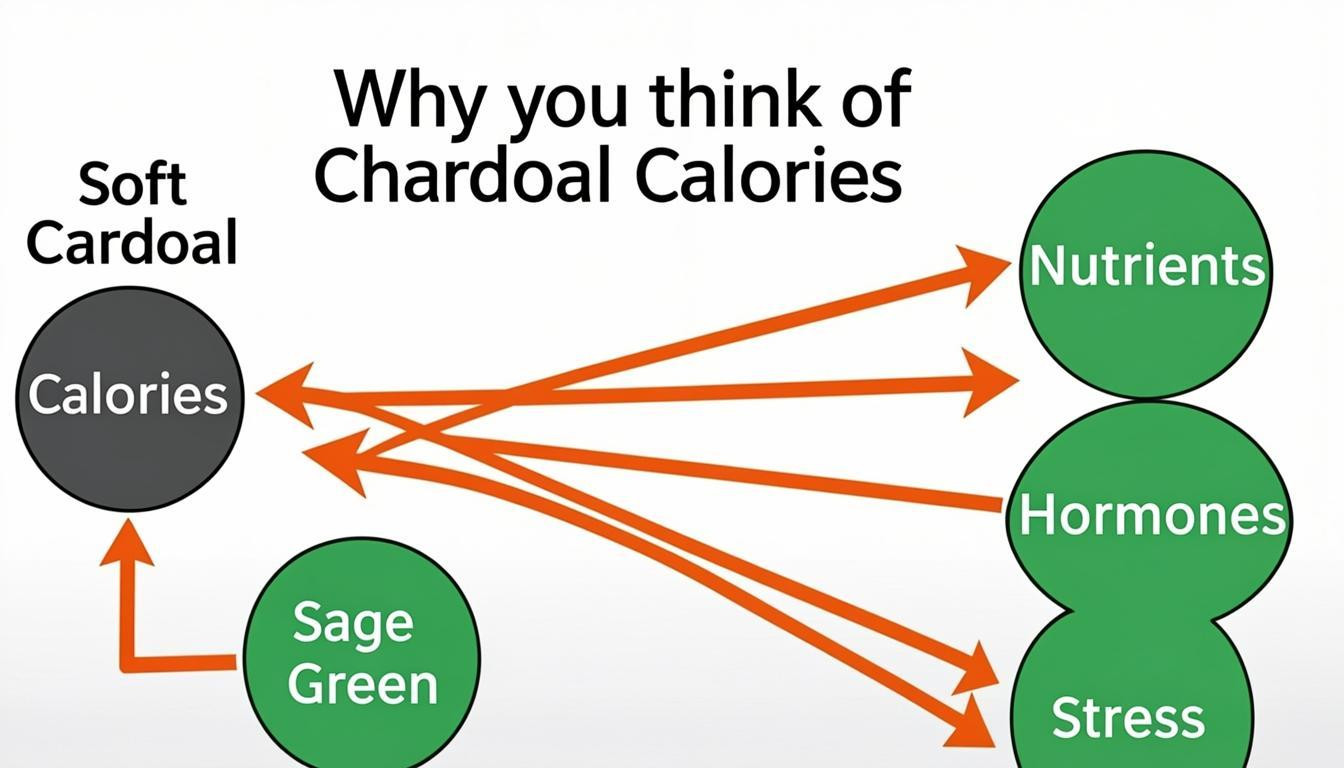
I remember staring at my food tracker, tears welling up, because the numbers on the scale refused to budge despite eating like a rabbit. If you’ve been there, you know the soul-crushing defeat of being told weight loss is just simple math. For us thyroid warriors, the old "calories in versus calories out" model is a fairy tale. When your metabolism is sluggish due to thyroid dysfunction, your body hoards energy like a bear preparing for hibernation, making calorie restriction feel like a punishment rather than a solution.
This is why you’re not seeing results for a reason beyond calories: hormonal imbalance completely trumps willpower. You could have the discipline of a saint, but if your cortisol is sky-high or your insulin is out of whack, your body will physically resist shedding fat. It’s not a lack of effort; it’s a biological shield your body puts up.
- Stress spikes cortisol, which signals your body to store fat, especially around your belly.
- Low thyroid hormones slow down your metabolic fire, burning fewer calories at rest.
- Insulin resistance locks fat cells shut, preventing them from releasing stored energy.
Stop chasing symptoms and start looking at the root cause. Instead of forcing your body to starve, we need to nurture your thyroid back to health so your metabolism can actually do its job.
Unlock Your Metabolic Potential
Support thyroid balance and beat metabolic slowdown with Thyrafemme. Restore your energy and wellness naturally.
Diagnostic Steps To Confirm Thyroid Dysfunction
If you feel like you’re doing everything right but you’re not seeing results for a reason, it might be time to dig deeper into your blood work. Most standard check-ups only look at TSH (Thyroid Stimulating Hormone), but that single marker doesn't tell the whole story. Relying on TSH alone is like trying to fix a car by only looking at the speedometer while ignoring the engine.
You really need a comprehensive panel to see what’s actually happening under the hood. This is crucial because "normal" lab ranges often miss subtle imbalances that leave you exhausted.
Here is what you should consider asking your doctor about:
- Free T3: This is the active hormone your body actually uses. If this is low, you can still feel hypothyroid even if your TSH looks "perfect."
- Reverse T3: This acts like a brake pedal for your metabolism. High stress or illness can cause your body to store unusable energy here, making you feel sluggish despite taking medication.
Sometimes, general practitioners just don't have the specialized training to piece this complex puzzle together. If your symptoms persist despite normal labs, or if you suspect complex issues like thyroid nodules, it might be time to consult an endocrinologist. They can look beyond the basics and help you figure out why your body is fighting against you.
Actionable Diet And Lifestyle Adjustments
If you feel like you’re doing everything right but still feel stuck, you’re not seeing results for a reason. It often comes down to the specific building blocks your thyroid needs to actually do its job. Your body can’t convert T4 into the active T3 hormone without the right fuel, which is why focusing on specific nutrients is so important.
Focus on getting enough of these essentials:
- Selenium: This is crucial for converting hormones. Just a few Brazil nuts a day can help.
- Zinc: Helps your body utilize thyroid hormone effectively. Pumpkin seeds and beef are great sources.
- Iron: Low iron levels can literally stop your thyroid from working. Think leafy greens and legumes.
But it’s not just about what you add; it’s about what you take away. Inflammatory foods can send your immune system into overdrive, confusing your body and worsening symptoms. Try cutting back on processed sugar, gluten, and refined vegetable oils to calm that internal fire.
Finally, let's talk about movement. High-intensity interval training might be trendy, but it can drain your already depleted energy reserves. Instead, embrace gentle, restorative movement like yoga, walking, or Pilates. These support your thyroid without leaving you exhausted for days. Listen to your body—it knows best.
Creating A Sustainable Plan For Thyroid Health
I know how disheartening it is to feel like you’re doing everything right, yet you’re not seeing results for a reason that has nothing to do with your willpower. When your thyroid is struggling, your body operates on a different hormonal playing field than everyone else's. We have to stop comparing our journey to people without these challenges and start building a plan that respects our biology. Setting realistic goals means accepting that your "baseline" might look different right now, and that is completely okay.
Instead of obsessing over the number on the scale, let's focus on how you actually feel day-to-day. True progress is often found in the quiet victories that a scale can't measure. You might want to track improvements like:
- Waking up feeling refreshed instead of exhausted
- Having the mental energy to finish a book or concentrate at work
- Stronger nails and thicker hair growing back
- Fewer afternoon energy crashes
Working closely with your healthcare provider is crucial to make sure your treatment is actually supporting these goals. You deserve to feel heard, so don't be afraid to advocate for yourself if your current dosage isn't helping you reclaim your vitality. Optimizing your medication is the foundation that allows every other healthy habit to finally stick.

Comments
0