
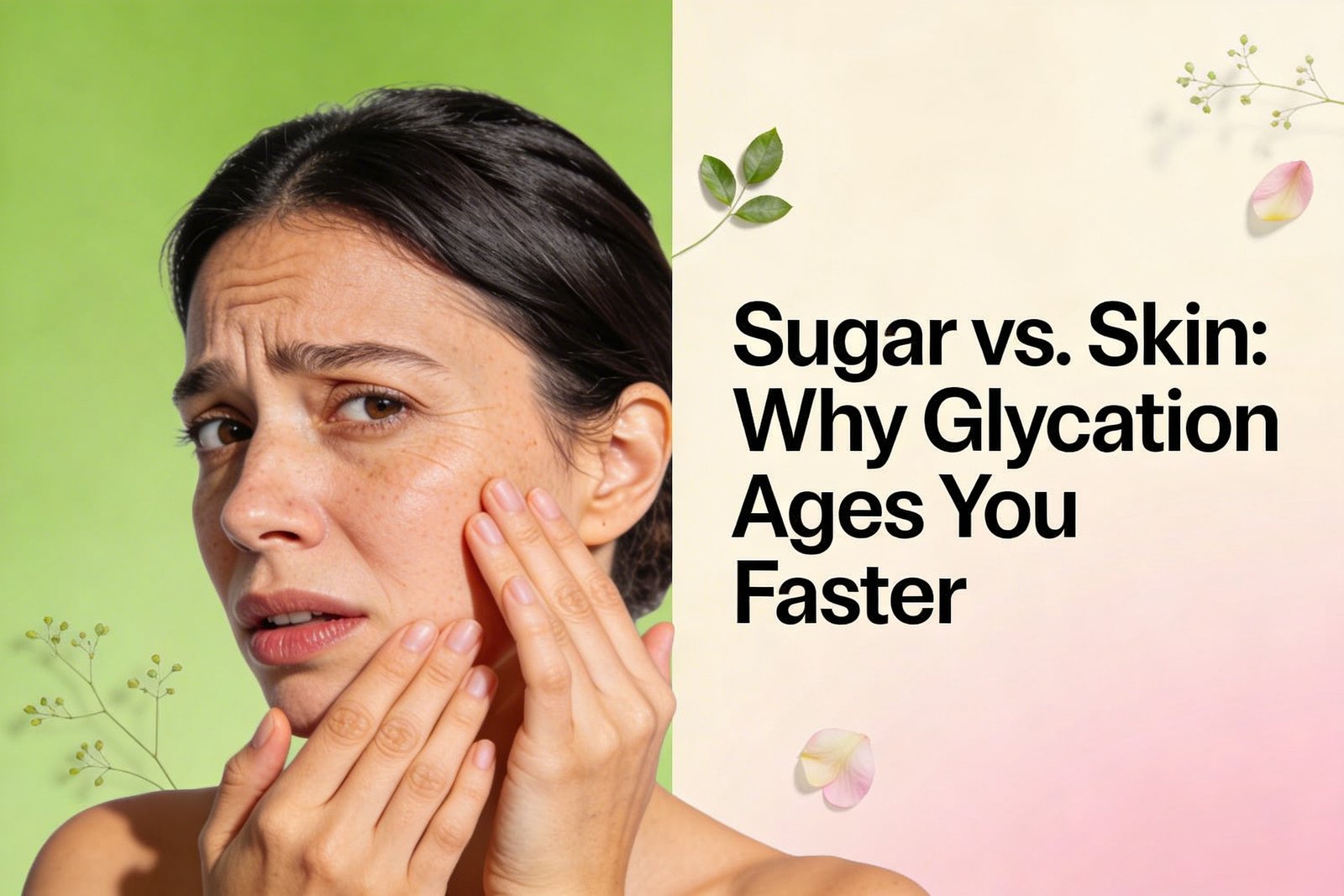
The Sweet Saboteur: Why Sugar Accelerates Skin Aging (Glycation Explained)
Do you ever feel like no matter how expensive your serum is, your skin still looks a bit... tired? You drink your water, you wear your sunscreen, and you still see those fine lines creeping in a little earlier than you’d like. It’s frustrating, isn’t it? We often blame the sun or our genetics, but there’s another culprit hiding in our morning lattes and afternoon treats.
If you’ve been noticing a loss of radiance or sudden deepening of wrinkles, your sweet tooth might be to blame. It’s not just about weight gain or cavities; it’s about a biological process happening deep within your skin layers. Today, we’re diving deep into why sugar accelerates skin aging (glycation explained), so you can take back control of your glow with confidence and clarity.
What Is Glycation?
Let’s break down the science without the confusing jargon. Glycation is a natural biological process that occurs when excess sugar molecules in your bloodstream attach to proteins in your body. You can think of it like a caramelization reaction happening inside you—similar to how a sliced apple turns brown when exposed to air.
When sugar enters your bloodstream, it seeks out proteins to latch onto. Its favorite targets are collagen and elastin, the two proteins responsible for keeping your skin firm, bouncy, and youthful. Once the sugar bonds to these proteins, it creates harmful new molecules called Advanced Glycation End Products (or AGEs, fittingly).
Why does this matter for women’s health? Because we lose collagen naturally as we age. Add glycation to the mix, and you are essentially speeding up that breakdown process. While this happens to everyone as they age, our modern diets—high in refined sugars and processed carbohydrates—have turned a slow natural process into a rapid acceleration of skin aging.
Signs and Symptoms
Glycation doesn't happen overnight, but the cumulative effects become visible in your 30s and 40s. Unlike sun damage, which often shows up as dark spots or surface lines, glycation affects the structural integrity of the skin.
Here are the key indicators that glycation might be impacting your complexion:
- Loss of Firmness and Sagging: This is often the first sign. Because sugar stiffens collagen fibers, your skin loses that "snap-back" quality. You might notice your jawline looks less defined or your cheeks feel a bit heavier.
- Deep Wrinkles and Creases: These aren't just fine surface lines from smiling. Glycation causes deep, rigid lines, particularly around the forehead and mouth, because the collagen has become brittle and inflexible.
- Sallow or Dull Complexion: That "glass skin" glow becomes harder to achieve because glycation disrupts the skin’s ability to reflect light. The skin may look yellowish or simply lack radiance.
- Increased Fragility: You might find your skin bruises more easily or takes longer to heal from small blemishes. The weakened structural matrix makes the skin more delicate and susceptible to environmental stressors.
- Uneven Texture: Roughness or enlarged pores can appear as the collagen collapses, causing the skin surface to look less smooth.
Symptoms typically start to appear subtly in the early 30s and become more pronounced during perimenopause when hormonal shifts naturally affect collagen production anyway.
Common Causes
Understanding why sugar accelerates skin aging (glycation explained) requires looking at what triggers this reaction. It’s not just about eating a candy bar; it’s about how your body processes fuel.
1. High Glycemic Index Foods: Foods that spike your blood sugar rapidly are the primary drivers. When your blood sugar surges, your body releases insulin to manage it. The more sugar flooding your system, the more opportunity there is for it to collide with collagen proteins. White bread, pasta, sugary pastries, and soda are major contributors.
2. Processed and Packaged Foods: Many "healthy" packaged snacks are hidden sugar bombs. Even savory items like ketchup, salad dressings, and marinades often contain high fructose corn syrup or added sugars to enhance flavor. These hidden sugars keep your glycation levels chronically elevated.
3. Stress and Cortisol: It’s not just diet; it’s lifestyle. Chronic stress spikes cortisol, your stress hormone. High cortisol levels can lead to higher blood sugar, even if you haven't eaten a sugary treat. This means your body is essentially creating its own "fuel" for glycation just from stress.
4. Hormonal Shifts: For women in the 35-55 age range, fluctuating hormones, particularly drops in estrogen, can affect how we metabolize glucose. Estrogen helps protect collagen, so as levels drop during perimenopause, our skin becomes more vulnerable to the damaging effects of sugar.
Natural Solutions and Tips
Stop Sugar From Aging You
Balance hormones to fight glycation. Support your thyroid health with Thyrafemme to protect your natural glow.
The good news is that your body is resilient, and you can slow down or even reverse some of the effects of glycation with a few strategic lifestyle shifts.
1. Adopt a Low-Glycemic Diet
You don’t have to cut out carbs entirely, but focus on complex carbohydrates that digest slowly. Swap white rice for quinoa or brown rice, and choose sweet potatoes over white potatoes. This keeps your blood sugar stable and reduces the fuel available for glycation.
2. Load Up on Antioxidants
Antioxidants are your defense army against AGEs. They help neutralize the oxidative stress caused by sugar. Eat the rainbow! Focus on deeply colored berries (blueberries, raspberries), leafy greens (spinach, kale), and vibrant vegetables like bell peppers and carrots. Green tea is also a fantastic beverage choice for its polyphenol content.
3. Incorporate Spices and Specific Nutrients
Certain nutrients act as "glycation inhibitors." Adding cinnamon to your oatmeal can help regulate blood sugar. Additionally, look for skincare and diet ingredients containing:
- Vitamin C: Essential for collagen production and fighting free radicals.
- Carnosine: An amino acid found in meat and supplements that has been shown to block glycation.
- Retinol: While topical, this helps stimulate new collagen growth to replace damaged fibers.
4. Prioritize Sleep and Stress Management
Since stress raises blood sugar, prioritizing 7-9 hours of quality sleep is a skin-saving essential. Try yoga, meditation, or simply a 10-minute walk to lower cortisol levels. When you are calm, your blood sugar remains more stable, protecting your skin from the inside out.
5. Read Labels Carefully
Be a detective in the grocery store. Look for hidden sugars under names like dextrose, maltose, sucrose, and high-fructose corn syrup. If sugar is in the top three ingredients, put it back.
When to See a Doctor
While dietary and lifestyle changes are powerful, sometimes skin changes are a sign of underlying metabolic issues. If you notice drastic changes in your skin texture despite a healthy lifestyle, or if you have symptoms like extreme thirst, frequent urination, or unexplained fatigue, it’s worth a chat with your healthcare provider.
They might recommend a simple blood test, such as a Hemoglobin A1C, to check your average blood sugar levels over the past few months. This can help rule out pre-diabetes or insulin resistance, which are major accelerators of aging. Don’t be afraid to ask specifically about how your diet impacts your skin health; dermatologists and functional medicine doctors are well-versed in this connection.
Supporting Your Health Journey
Managing blood sugar and hormonal health is a holistic process. While diet and exercise are the foundation, some women find extra support through targeted supplementation. For instance, maintaining hormonal balance is key to skin resilience, and some women support thyroid balance using supplements like Thyrafemme as one option to ensure their metabolism is functioning optimally. Remember, a healthy metabolism helps your body process energy efficiently, which is crucial for keeping blood sugar—and aging—under control. Always consult with your healthcare provider before starting a new supplement to ensure it fits your specific health needs.
Key Takeaways
Understanding the link between your diet and your dermis is empowering. You have more control over your aging process than you might think.
- Glycation is the process where sugar attacks collagen and elastin, leading to stiff, brittle skin and wrinkles.
- Refined sugars and high-stress levels are the primary triggers for accelerated skin aging.
- Adopting a low-glycemic diet rich in antioxidants and collagen-boosting nutrients can help repair and protect your skin.
- Quality sleep and stress management are just as important as what you eat for maintaining a youthful glow.
Embracing these changes isn’t about restriction; it’s about nourishing your body so it can support you beautifully for years to come. Here’s to glowing from the inside out


Comments
0