

Understanding The Silent Thyroid Epidemic Among Women
It feels unfair that we carry so much of the hormonal burden, but thyroid disorders overwhelmingly target women due to our unique biological makeup. The interplay between estrogen and thyroid function creates a perfect storm, leaving us significantly more vulnerable to imbalances than men. Yet, this is the mistake most women make unknowingly: dismissing the subtle early whispers of dysfunction as simply "getting older" or having a busy week.
We often push through symptoms that deserve our full attention. You might blame your weight gain on a slow metabolism or your fatigue on stress, but your body is waving a red flag. Ignoring these early signs can wreak havoc on your overall metabolic health, turning a manageable imbalance into a chronic struggle.
Watch out for these commonly ignored signals:
- Persistent exhaustion that sleep doesn't fix
- Unexplained weight changes despite eating well
- Dry skin and brittle nails that won't improve
- Brain fog or lapses in memory
Leaving these issues untreated does more than just make you feel tired; it fundamentally alters how your body processes energy. When your thyroid slows down, your metabolism follows, impacting everything from your cholesterol levels to your heart health. It is time to stop normalizing the struggle and start listening to what your body is actually telling you.
This Is The Mistake Most Women Make Unknowingly With Diet
We often think we are eating healthy, but this is the mistake most women make unknowingly: ignoring the specific nutrients your thyroid desperately needs to function. Your thyroid relies heavily on selenium and iodine to actually produce those essential hormones. Without enough selenium, your body can't convert the inactive hormone into the active form your cells can use, leaving you feeling sluggish even on medication.
Relying too much on processed foods is a major trap here. These convenience items are typically stripped of minerals, meaning you are filling up on calories while starving your thyroid of the building blocks it requires.
On top of that, what you eat when you take your meds matters more than you realize. If you are consuming large amounts of soy—like a soy latte or a protein smoothie—right alongside your medication, you might be blocking absorption completely. Soy can interfere with how your body uptakes the medication, rendering that morning dose ineffective.
To avoid these pitfalls, focus on these small changes:
- Eat whole foods rich in selenium, like Brazil nuts or eggs.
- Ensure adequate iodine intake through sources like seaweed or iodized salt.
- Take your medication on an empty stomach and wait at least an hour before consuming soy or other potential interferers.
The Hidden Dangers Of Chronic Stress And Adrenal Fatigue
I know exactly how it feels to be doing everything "right" with your medication and diet, yet still feeling exhausted. The truth is, your thyroid doesn't work in a vacuum. When you are constantly overwhelmed, your body pumps out cortisol to help you survive the day. High cortisol levels can actually inhibit your thyroid, slowing down the production of essential hormones and making your symptoms worse.
There is a tricky biological mechanism at play here that often gets overlooked. This is the mistake most women make unknowingly: they ignore the massive impact stress has on hormone conversion. When your body is stuck in "fight or flight" mode, it stops efficiently converting T4 (the storage hormone) into T3 (the active hormone your cells actually need). Instead, it converts that T4 into reverse T3, which acts like a brake on your metabolism. You end up with all the symptoms of hypothyroidism even if your lab results look "normal" on paper.
We have to calm the nervous system to truly heal. Here are some simple daily habits to regulate adrenal health and support your thyroid:
- Prioritize morning light: Step outside for 10 minutes after waking to reset your circadian rhythm.
- Practice breathwork: Try deep belly breathing for five minutes to signal safety to your brain.
- Balance your blood sugar: Eat regular meals with protein to prevent cortisol spikes from hunger.
Don't Ignore Thyroid Signs
Support healthy thyroid function and reclaim your energy with the natural hormonal balance in Thyrafemme.
Avoiding This Is The Mistake Most Women Make Unknowingly Regarding Sleep
We often think getting by on five hours is a badge of honor, but skimping on rest is actually this is the mistake most women make unknowingly regarding their health. When you don't sleep enough, your cortisol levels spike to keep you functioning. This stress hormone directly interferes with the production of thyroid hormones, throwing your entire endocrine system into a state of chaos. You might notice you feel wired but tired, a classic sign that your hormones are struggling to find balance.
Staying up late also wrecks your circadian rhythm, which is crucial because your thyroid does its heavy repair work while you sleep. Think of your body as a phone that needs to recharge overnight; if you keep plugging and unplugging it, the battery never reaches 100%. Without those deep, restorative cycles, your thyroid gland cannot effectively convert hormones or repair cellular damage.
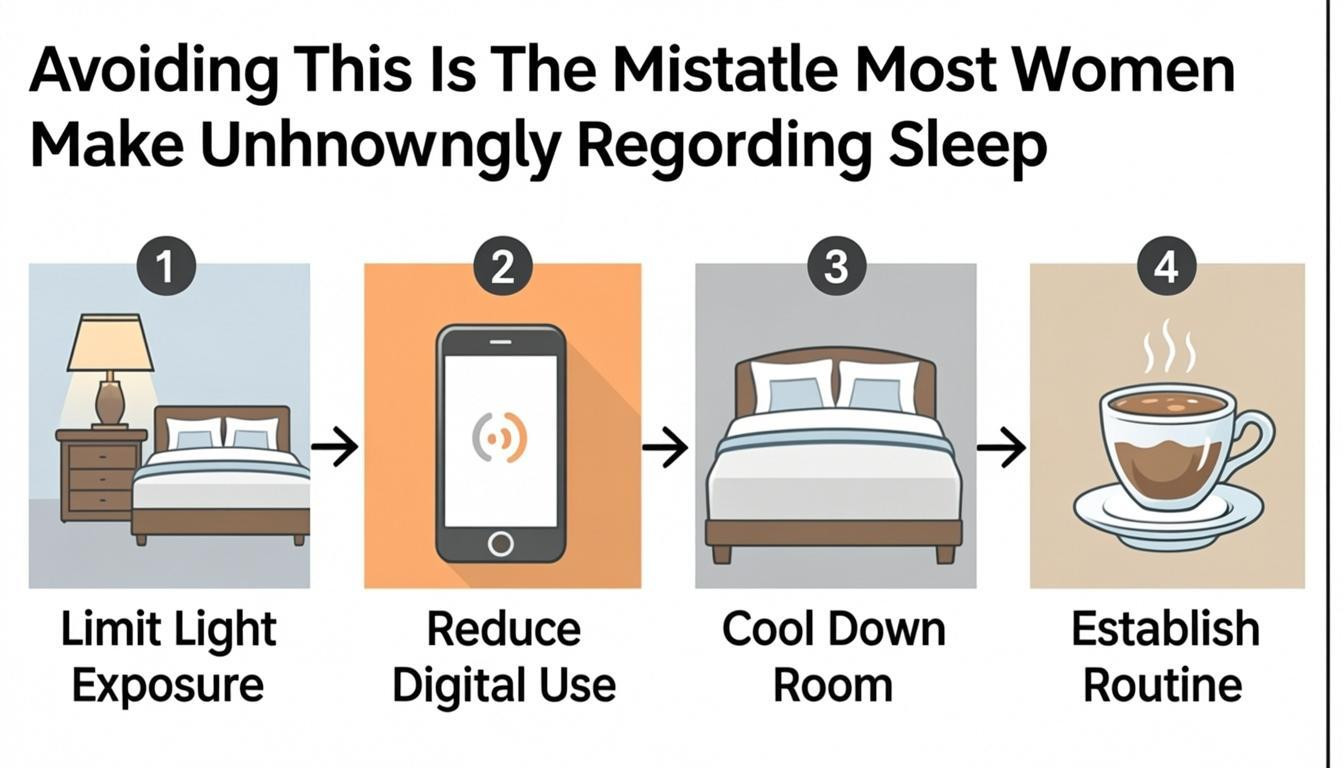
To help your body recover, try making these small changes to your nightly routine:
- Set a consistent bedtime to regulate your internal clock.
- Keep your room cool and pitch black.
- Turn off screens at least one hour before bed to stop blue light from suppressing melatonin.
Giving yourself permission to rest isn't lazy; it's a vital part of healing your thyroid.
Environmental Toxins And Chemical Exposure
I used to clean my kitchen with bleach and store my leftovers in plastic containers without a second thought. But this is the mistake most women make unknowingly: assuming that if a product is on the shelf, it must be safe for our sensitive hormonal systems. Everyday household items are often loaded with endocrine disruptors that interfere with thyroid function, slowing down your metabolism and making you feel sluggish.
You need to watch out for xenoestrogens, which are synthetic chemicals that mimic estrogen in your body. These are hiding in plain sight, particularly in plastics and cosmetics. When these chemicals accumulate, they can confuse your body's natural hormone signaling, leading to thyroid imbalances that diet alone just can't fix.
Start protecting your thyroid by making a few simple swaps today:
- Ditch plastic food containers and switch to glass or stainless steel
- Check your beauty labels for parabens and phthalates
- Choose natural cleaning products like vinegar and baking soda
- Avoid heating food in plastic wrap or containers
Small changes in your environment can make a massive difference in how you feel.
The Truth About Thyroid Medication And Treatment Gaps
This is the mistake most women make unknowingly: believing that a single "normal" test result means you are actually healed. If you still feel exhausted, brain-foggy, or cold, your standard TSH test might be missing the bigger picture. Relying solely on this one marker is like trying to bake a cake with flour alone; you are missing key ingredients your body desperately needs.
To truly understand what is happening in your body, you have to look deeper. Comprehensive testing is the only way to uncover hidden imbalances that standard screenings often ignore.
- Free T3: This is the active hormone your cells actually use. If this is low, you will feel unwell regardless of what your TSH says.
- Reverse T3: Think of this as a "brake" for your metabolism. High levels can block your active thyroid hormones from working, leaving you stuck in fatigue.
Another common trap involves dosage and expectations. Many women assume that starting a standard dose of medication is an instant fix, but true balance takes time. Increasing your dose too quickly because you are impatient can lead to heart palpitations and anxiety, while waiting too long keeps you in a cycle of burnout. Healing your thyroid is a marathon, not a sprint, and it requires a personalized approach rather than a one-size-fits-all prescription.
Actionable Steps To Reverse The Damage
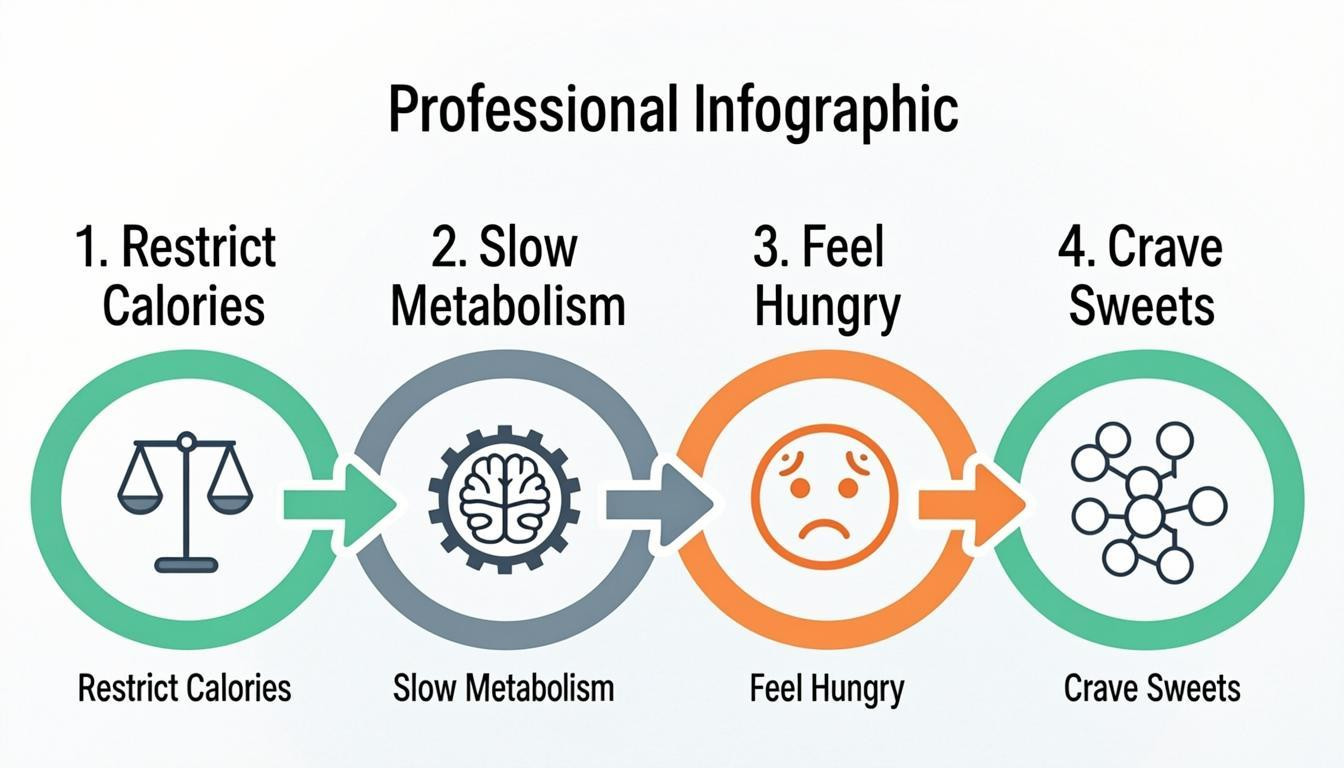
Let’s talk about feeding your thyroid the love it actually craves. Start by building a nutrient-dense meal plan that focuses on selenium, zinc, and iodine—think Brazil nuts, pumpkin seeds, and seaweed. But here is the mistake most women make unknowingly: they drastically cut calories in a panic to lose weight, which only signals the body to slow down metabolism further. Instead, aim for balanced meals with protein and healthy fats to keep your energy stable.
Movement is medicine, but intensity matters. Incorporate gentle exercise like yoga, walking, or Pilates to boost circulation and metabolism without sending your cortisol levels through the roof. High-intensity interval training can sometimes backfire when your adrenals are already tired, so listen to your body.
Finally, know when to bring in a pro. If you still feel awful despite taking medication, it might be time to seek a specialist for a second opinion. A functional medicine doctor or a naturopath can look beyond standard TSH levels and check for underlying issues like Hashimoto’s or nutrient deficiencies. You don’t have to settle for feeling "just okay."

Comments
0