

Recognizing the Signs of a Silent Epidemic
It often starts with a whisper rather than a scream. You might feel constantly exhausted, even after a full night's sleep, or notice your hair thinning in the shower drain. Maybe your hands are freezing when everyone else is comfortable, or you just can't seem to shake that brain fog no matter how much coffee you drink. These subtle symptoms are easy to dismiss as stress, aging, or just "one of those days," leading many women to suffer in silence for years.
The frustration often deepens in the doctor's office. You list your complaints, maybe even tear up from the overwhelm, only to be told your lab work looks "normal." Standard medical tests typically check only one or two markers, often missing the nuanced picture of how your hormones are actually functioning. This leaves you with symptoms but no diagnosis, wondering if it’s all in your head.
But it’s not just you. This hidden imbalance is more common than you think, affecting women at significantly higher rates than men, particularly during life transitions like pregnancy or menopause. We are seeing a surge in diagnosis across various age groups, suggesting that what was once considered rare is becoming a widespread health concern.
Watch out for these commonly overlooked signs:
- Unexplained weight gain or difficulty losing weight
- Persistent fatigue that isn't relieved by rest
- Dry skin and brittle nails
- Mood swings, anxiety, or low mood
- Irregular menstrual cycles or heavy periods
Acknowledging these patterns is the first step toward reclaiming your energy.
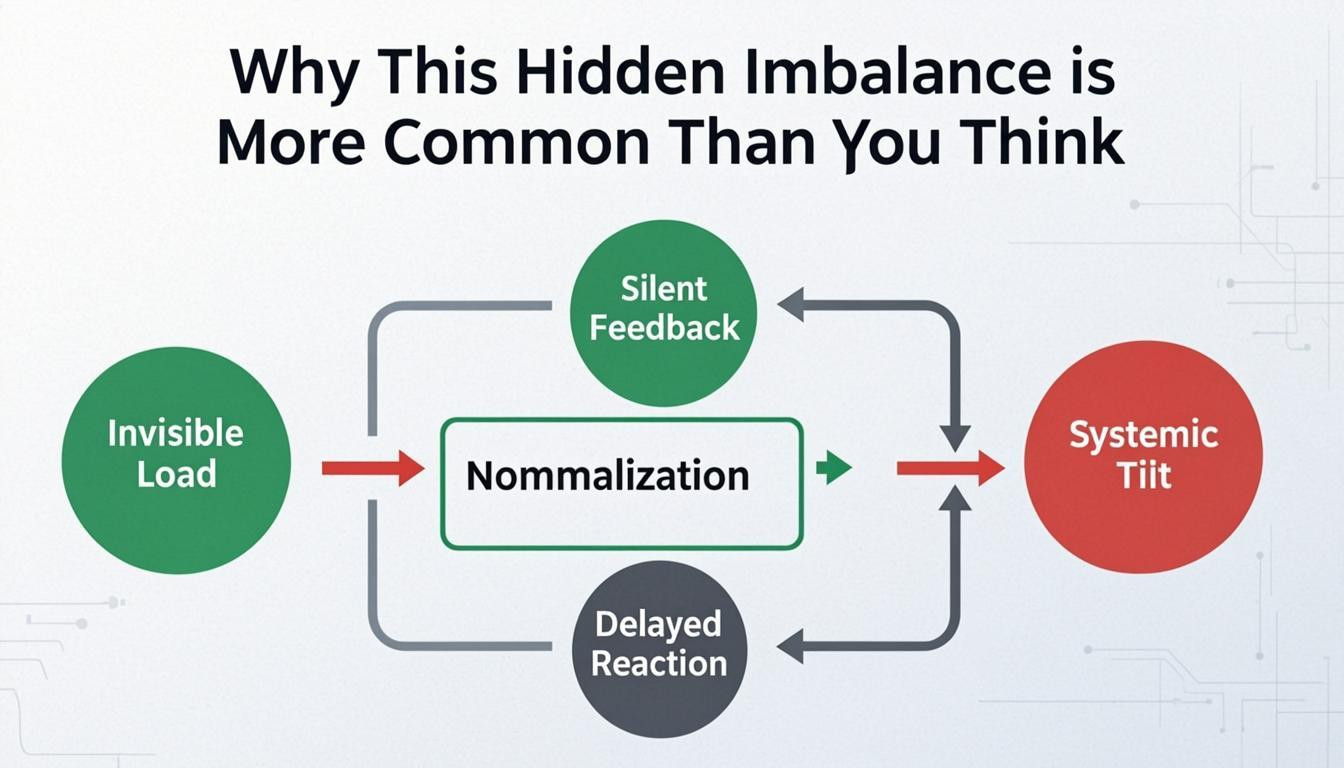
Why This Hidden Imbalance Is More Common Than You Think
It feels isolating when your body feels "off," but you aren't alone in this struggle. This hidden imbalance is more common than you think, largely because our modern world is constantly working against us. We are exposed to countless environmental triggers daily—everything from the chlorine in our showers to plastics in our kitchen can quietly disrupt our delicate internal rhythms.
Our diets and fast-paced lifestyles only add fuel to the fire. We are often running on caffeine and sugar, skipping meals, or missing out on the specific nutrients our thyroids desperately need to function. It’s a perfect storm of stress and nutritional gaps that leaves us feeling drained.
And please, let's toss out the idea that this is just an "older woman's issue." While hormones shift as we age, this imbalance doesn't discriminate. You might be surprised to know it affects:
- Young women in their twenties struggling with unexplained weight gain
- New moms dealing with "baby brain" that just won't go away
- Teenagers facing erratic mood swings and fatigue
No matter your age or stage in life, your body is trying to tell you something. Recognizing how widespread this really is can be the first step toward finally feeling like yourself again.
The Physiological Impact on Your Daily Life
You wake up after eight hours of sleep but still feel like you haven’t rested at all. That drained feeling isn't just "life getting busy"; this hidden imbalance is more common than you think and it wreaks havoc on your metabolism. When your thyroid slows down, your cellular energy production dips, turning even simple tasks like grocery shopping or climbing stairs into exhausting chores. It feels like running a marathon on a treadmill that never stops moving.
Then there is the frustration with weight. You might be eating the same healthy foods you always have, yet the number on the scale keeps creeping up or stays stubbornly stuck.
- Your body burns fewer calories at rest.
- Water retention makes you feel puffy and heavy.
- Intense cravings can derail your best efforts.
Beyond the fatigue and weight struggles, your brain feels foggy. You might walk into a room and completely forget why, or struggle to find the right words during a conversation. This physiological stress often bleeds into your mood, making you feel anxious or unusually weepy over small things. It is not just in your head—it is your body crying out for balance.
Overlooked Triggers in Your Environment
It’s frustrating when you do everything right but still feel off. Sometimes, this hidden imbalance is more common than you think, and the culprits are hiding in plain sight right in your home.
Start by looking at everyday items. Your favorite scented candles, plastic food containers, and even some cleaning supplies can leach chemicals that interfere with your natural rhythm. It feels unfair that trying to make your home cozy could be working against you, but swapping these for glass or natural alternatives can make a real difference.
Then, consider how you live, not just what you eat. Chronic stress and sleep deprivation are massive triggers that keep your body in a constant state of alert, preventing it from healing.
- Plastic containers: Use glass or stainless steel to store food.
- Scented products: Swap artificial fragrances for essential oils.
- Sleep hygiene: Prioritize seven to nine hours of rest.
Finally, processed foods and additives are often masked as healthy options. These can irritate your system and hide nutritional deficiencies. By focusing on whole foods, you remove the guesswork and give your body what it actually needs to find its balance again.
Why This Hidden Imbalance Is More Common Than You Think Today
If you feel like everyone around you is talking about exhaustion and brain fog lately, you aren't imagining things. This hidden imbalance is more common than you think. Looking back at historical health data, our grandparents didn't battle these specific hormonal and metabolic struggles at the rates we see today. While we have cleaner water and better medicine, our modern environment has created a perfect storm for internal dysregulation that simply didn't exist decades ago.
A huge part of the problem is how much we sit. Our bodies are designed to move, yet most of us spend hours hunched over desks, which directly slows down our circulation and metabolic function. This sedentary behavior acts like a brake on your system, making it incredibly hard for your body to regulate itself effectively.
It is easy to blame ourselves, but the cards are often stacked against us. While lifestyle choices matter, it is crucial to understand the tug-of-war between genetics and daily habits:
- Genetic predispositions: You might have inherited a slower metabolism or a sensitive immune system.
- Modern stressors: Constant exposure to blue light and processed foods triggers widespread inflammation.
- Sleep deprivation: Missing out on deep sleep prevents your body from resetting its hormonal balance.
You aren't broken, and this isn't just in your head. It is a widespread issue driven by a world that has changed faster than our bodies can adapt.
Practical Steps for Restoring Balance
Let’s be real: navigating fatigue and mystery symptoms is exhausting. But this hidden imbalance is more common than you think, and taking small, intentional steps can help you reclaim your energy. Start by looking at your plate. Focus on nutrient-dense foods that naturally replenish depleted stores, like Brazil nuts for selenium, pumpkin seeds for zinc, and plenty of leafy greens for iron.
- Prioritize protein: It stabilizes blood sugar and supports thyroid hormone production.
- Manage stress: High cortisol blocks your body's ability to use thyroid hormones effectively.
- Sleep hygiene: Aim for 7-9 hours to allow your body to repair and reset.
Restore Your Natural Balance
Some women support thyroid balance using supplements like Thyrafemme to boost energy and hormonal harmony.
Beyond diet, simple lifestyle shifts matter. Reducing exposure to endocrine disruptors found in some plastics and personal care products can support your body’s natural regulation. When it comes to supplements, don’t guess. Targeted strategies, such as adaptogenic herbs like ashwagandha or specific vitamin D3 and K2 combos, can make a huge difference, but always check your levels first. You don't need a perfect overnight overhaul; you just need to start somewhere.
Taking Control of Your Long-Term Health
If you’re still dragging yourself through the day despite "normal" lab results, please know that this hidden imbalance is more common than you think. Standard panels often miss the nuances of thyroid dysfunction, so trusting your gut is key. When basic tests don't explain your fatigue or weight gain, it might be time to seek deeper testing that looks at reverse T3, nutrient absorption, or antibody levels. You deserve answers that go beyond the surface.
Healing isn’t a straight line; it requires keeping a close eye on how your body responds. Monitoring your progress means tracking symptoms like energy levels, sleep quality, and body temperature alongside your labs. If something feels off, be ready to adjust your protocol with your practitioner.
To keep the momentum going, focus on building habits that stick rather than quick fixes:
- Prioritize sleep hygiene every single night to support hormone regulation.
- Manage stress through breathwork or gentle movement, as stress directly impacts thyroid function.
- Eat nutrient-dense foods that fuel your metabolism, rather than restrictive diets.
Creating a sustainable routine helps prevent recurrence and keeps you feeling like yourself again. You’ve got this.

Comments
0