

Understanding Telogen Effluvium: The Basics
Human hair grows in a repeating cycle containing three distinct phases: anagen (growth), catagen (transition), and telogen (resting). During the telogen phase, hair remains dormant in the follicle before eventually shedding to make room for new strands. Under normal conditions, only about 10% of hair is in this resting stage at any given time. However, significant physiological or emotional stress can disrupt this balance, pushing a much larger percentage of follicles into the telogen phase simultaneously. This specific condition explains telogen effluvium: why stress makes your hair fall out in clumps months after a triggering event.
Differentiating this condition from permanent hair loss is crucial for effective management. Telogen effluvium presents as diffuse thinning across the scalp rather than a receding hairline or bald patches.
Key distinctions include:
- Temporary nature: Hair loss is usually self-limiting and reverses once the trigger is removed.
- Lag time: Shedding typically begins 3 to 6 months after the initial stressor.
- Regrowth potential: Follicles remain intact, allowing normal growth cycles to resume.
Common triggers range from physical trauma and rapid weight loss to severe emotional distress or hormonal changes. Recognizing the prevalence of stress-induced shedding is vital, as it affects a significant portion of the population at some point. By understanding the mechanisms behind the telogen phase, individuals can better distinguish temporary shedding from permanent androgenetic alopecia.
The Link Between Stress and Hair Shedding
Understanding telogen effluvium: why stress makes your hair fall out requires a look at how the body reacts to significant physical or emotional trauma. Whether caused by severe illness, surgery, or intense psychological distress, the body interprets these high-stress events as threats to survival. In response, it redirects energy away from non-essential functions like hair growth to prioritize vital organs and healing processes. This shock disrupts the normal hair growth cycle, forcing a large number of follicles to skip the growth phase and enter the resting state prematurely.
The biological mechanism centers on the alteration of hair follicle stem cells and shifts in hormonal signaling. Instead of continuing the active growth phase (anagen), these follicles are pushed into the telogen (resting) phase. During this time, the hair remains anchored in the follicle for approximately two to three months before shedding to make room for new growth.
This delay explains why hair loss is not visible immediately after the stressful event occurs. Individuals often notice significant shedding months after the initial trigger, leading to confusion about the cause. Common scenarios include:
- Noticeable hair loss three months after a high fever or infection
- Increased shedding following major surgery or rapid weight loss
- Thinning hair appearing months after a period of extreme emotional grief
Identifying the Common Triggers
Balance Hormones, Stop Shedding
Support your thyroid to manage hormonal stressors that trigger telogen effluvium with Thyrafemme.
Understanding the specific causes of hair shedding is crucial when exploring telogen effluvium: why stress makes your hair fall out. This condition occurs when a significant shock pushes hair follicles into a resting phase, leading to increased shedding months later. Triggers generally fall into physical, emotional, or hormonal categories.
Physical stressors place immense strain on the body, disrupting the natural hair growth cycle. Common examples include major surgical procedures, severe infections accompanied by high fever, or rapid, drastic weight loss. The body prioritizes essential survival functions over hair production during these periods.
Emotional triggers also play a significant role in hair loss. Intense psychological stress, such as deep anxiety or grief, can induce physiological changes that affect hair follicles. Additionally, significant life changes like a divorce or job loss often precede the onset of shedding.
Hormonal fluctuations are another major contributor. Women frequently experience telogen effluvium post-pregnancy as estrogen levels drop sharply. Similarly, the hormonal shifts occurring during menopause can thin hair and trigger temporary shedding.
Recognizing the Symptoms and Diagnosis
Understanding the indicators of telogen effluvium: why stress makes your hair fall out is crucial for early intervention. A primary visual sign involves noticeably increased shedding during routine activities, such as washing or brushing. Instead of losing the average 50 to 100 hairs daily, individuals might discover clumps of hair in the drain or on their brush, signaling a disruption in the hair growth cycle.
Unlike male or female pattern baldness, this condition typically presents as diffuse thinning across the entire scalp rather than a receding hairline or distinct bald spots. This widespread loss occurs because more follicles simultaneously enter the resting phase.
Professional medical advice should be sought if the shedding persists for more than six months or if other physical symptoms accompany the hair loss. A healthcare provider can perform specific tests to rule out underlying nutritional deficiencies or hormonal imbalances.
- Blood tests to check iron levels or thyroid function
- Scalp examinations to exclude other causes like alopecia areata
- Review of medical history to identify potential triggers
Identifying these patterns helps distinguish temporary stress-induced shedding from permanent genetic hair loss.
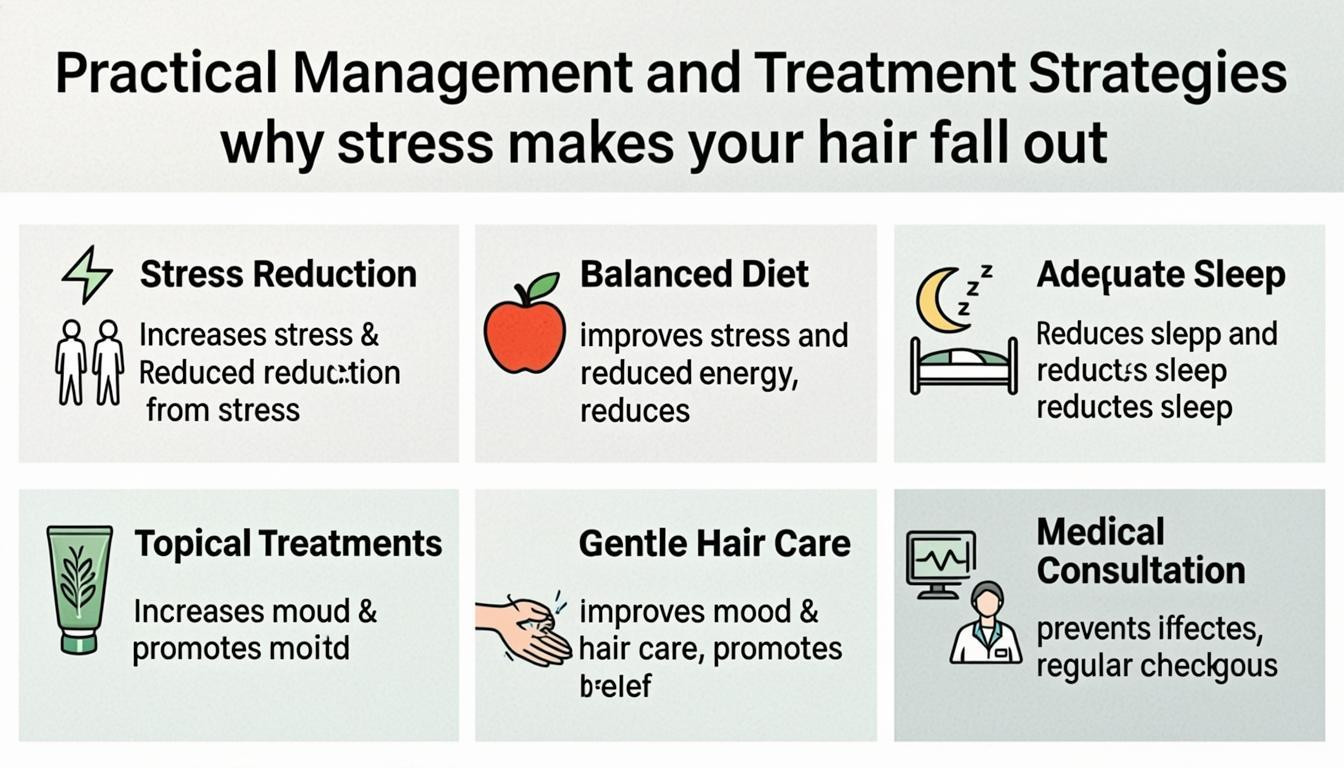
Practical Management and Treatment Strategies
Addressing telogen effluvium effectively requires a multifaceted approach that combines internal nourishment with external care. Nutritional support plays a pivotal role in recovery, as deficiencies in iron, zinc, or vitamin D can prolong the shedding phase. Incorporating nutrient-dense foods like eggs, spinach, and fatty fish supports follicle health, while targeted supplements may correct specific deficits identified through blood work.
Reducing stress is essential to halt the shedding cycle and return hair follicles to the growth phase. Mindfulness practices such as meditation, yoga, and deep breathing exercises lower cortisol levels, which are often the primary trigger for this condition. Regular physical activity also serves as a potent stress reliever, improving circulation to the scalp. For acute cases, topical therapies like minoxidil can stimulate regrowth by prolonging the anagen phase. Additionally, gentle hair care routines—avoiding tight hairstyles and harsh chemical treatments—prevent further mechanical stress on weakened strands.
Medical treatments may involve hormone regulation or thyroid support if an underlying imbalance exists. While telogen effluvium is typically self-limiting, these strategic interventions help accelerate the return to a normal hair cycle. Consistency is key, as it may take several months to see visible improvement in hair density and texture.
The Recovery Timeline and What to Expect
The shedding phase associated with telogen effluvium typically lasts for three to six months. During this window, individuals may notice a significant increase in daily hair loss, often exceeding 100 strands per day. This acute phase is temporary, and once the trigger is addressed, hair follicles usually return to their normal growth cycle.
Several factors influence the speed of regrowth, varying from person to person. Key elements include:
- Nutritional status: Adequate levels of iron, vitamin D, and protein are essential for follicle recovery.
- Hormonal balance: Postpartum shifts or thyroid issues can delay the return of normal growth.
- Age: Younger individuals generally experience faster regrowth compared to older adults.
- Overall health: Chronic illness can prolong the recovery period.
The long-term prognosis for telogen effluvium is generally positive. Understanding the mechanism behind telogen effluvium: why stress makes your hair fall out provides reassurance; the condition is a reactive response, not permanent damage. Stress pushes hair follicles prematurely into the resting telogen phase. Once the stressor is eliminated, the follicles reset. Most people see full regrowth within six to nine months after the shedding stops, restoring hair density completely.
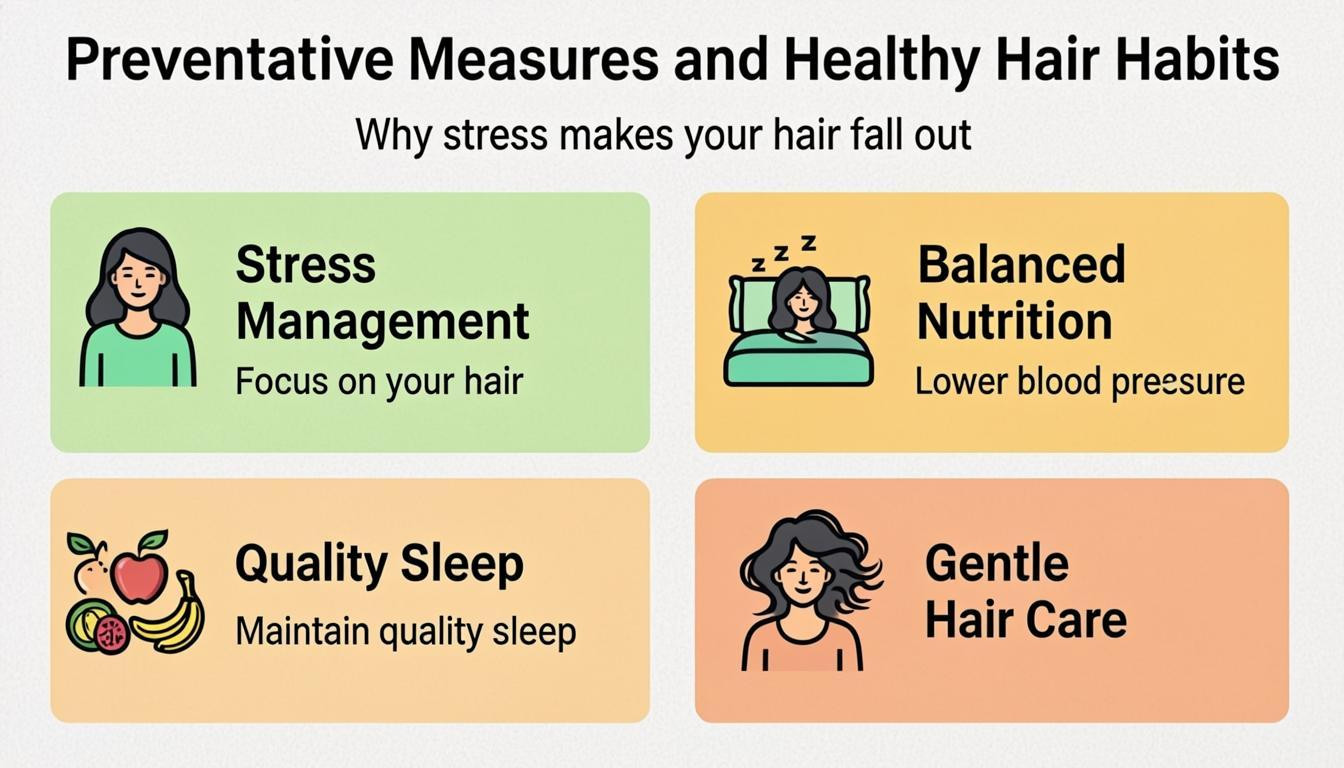
Preventative Measures and Healthy Hair Habits
Maintaining a consistent scalp care routine is essential for supporting follicular health and creating an optimal environment for growth. Gentle exfoliation can remove product buildup and excess sebum, while scalp massages may stimulate blood circulation to the hair roots. Using mild, sulfate-free shampoos helps preserve the natural moisture barrier without stripping necessary oils.
Implementing lifestyle adjustments is crucial to mitigate the impact of chronic stress. Since understanding telogen effluvium: why stress makes your hair fall out is key, addressing the root cause becomes a priority. Regular physical activity, adequate sleep, and mindfulness practices like meditation can significantly lower cortisol levels.
To catch early signs of effluvium, monitor hair shedding patterns and density changes. Early detection allows for timely intervention.
- Track daily hair loss in the shower or brush
- Notice thinning at the crown or hairline
- Observe changes in hair texture or brittleness
- Check for excessive shedding during brushing or styling
Adopting these proactive habits strengthens hair resilience against potential triggers.

Comments
0