

Understanding the Science of Hair Growth Supplements
Your hair is essentially a "non-essential" tissue, which means your body views it as less of a priority than vital organs like your heart or liver. Because of this, the body will divert nutrients to critical organs first, leaving hair follicles undernourished if your diet isn't up to par. Even minor nutritional gaps can throw off the hair growth cycle, leading to shedding or thinning. Nutrients like iron, zinc, and vitamins A, C, D, and E play specific biological roles here, helping with everything from cell division to acting as antioxidants that shield follicles from oxidative stress.
Common deficiencies that hit hair density hardest include low iron stores (specifically ferritin), insufficient vitamin D, and simply not getting enough protein. When these gaps exist, hair strands can become brittle and jump into the resting phase (telogen) way too early. Dietary supplements step in to refill these depleted stores, ensuring the scalp has the building blocks needed to generate strong, healthy hair. As you look for a solution, comparing the best supplements for hair growth: biotin vs. collagen vs. keratin becomes essential.
- Biotin supports keratin infrastructure.
- Collagen provides amino acids for the dermis.
- Keratin acts as the structural protein itself.
Understanding these differences helps you target your specific needs, whether that is improving strand strength or supporting the follicular environment.
A Deep Dive into Biotin for Hair Strength
Biotin, also known as Vitamin B7, is a major player in the production of keratin—the structural protein that makes up your hair, skin, and nails. It acts as a coenzyme for carboxylase enzymes, which are essential for synthesizing amino acids and building strong hair fibers. Without enough biotin, the keratin infrastructure can weaken, leading to increased brittleness and breakage.
When you weigh the best supplements for hair growth: biotin vs. collagen vs. keratin, understanding efficacy is key. Research indicates that while a true biotin deficiency directly causes hair loss, supplementation really only helps if you are already low in biotin. For generally healthy individuals, the evidence for significant regrowth is mixed, though many users report improved texture and strength.
Recommended dietary allowances vary, but standard dosages often range from 30 to 100 micrograms daily for adults, with beauty supplements often containing much higher doses. Since biotin is water-soluble, your body excretes excess amounts through urine, making toxicity rare. However, extremely high doses can interfere with certain lab tests.
Key considerations for Biotin intake:
- Deficiency status: Most effective for individuals diagnosed with low biotin levels.
- Safety profile: Well-tolerated with minimal side effects at recommended dosages.
- Dietary sources: Can be found in eggs, nuts, seeds, and whole grains.
Evaluating Collagen as a Key Building Block
Collagen serves as the primary structural protein within the dermis, providing the necessary foundation for hair follicles and the strands they produce. By maintaining the integrity of the extracellular matrix, collagen ensures follicles remain anchored and are supplied with essential nutrients. This structural support is vital for preventing brittleness and promoting resilient hair growth.
As the body ages, natural collagen synthesis slows down significantly. This reduction leads to a thinner, weaker dermal layer, which directly compromises hair quality. Common consequences include increased hair shedding, slower growth rates, and a noticeable loss of volume. To counteract this decline, hydrolyzed collagen supplements are often recommended.
Hydrolyzed collagen consists of smaller peptides broken down for easier digestion. These forms offer superior absorption rates compared to intact proteins, allowing amino acids like glycine and proline to reach hair follicles efficiently.
When looking at the best supplements for hair growth: biotin vs. collagen vs. keratin, collagen distinguishes itself through its systemic role in rebuilding the skin's infrastructure rather than just treating the hair shaft alone.
The Role of Keratin in Structural Integrity
Keratin acts as the primary structural building block for hair, providing resilience and protection against environmental damage. When evaluating the best supplements for hair growth: biotin vs. collagen vs. keratin, it is essential to understand that keratin differs from other nutrients because the body creates it naturally from amino acids found in protein-rich foods. While direct keratin supplements exist, they typically rely on hydrolyzed forms or extracts intended to support existing structures rather than building new protein from scratch.
The relationship between keratin and hair elasticity is significant. High keratin levels maintain the hair's internal strength, allowing it to stretch without breaking. Low keratin often leads to brittle strands that snap easily during styling or brushing.
To maximize efficacy, keratin works best in conjunction with specific vitamins and minerals. These synergistic partners facilitate absorption and utilization.
- Vitamin C: Aids in synthesizing the amino acids necessary for keratin production.
- Biotin: Supports the infrastructure of keratin, improving texture and overall strength.
- Iron and Zinc: Essential minerals that deliver nutrients to hair follicles, ensuring robust keratin formation.
Combining these elements ensures the body has the necessary resources to maintain structural integrity and healthy growth cycles.
Best Supplements for Hair Growth: Biotin vs. Collagen vs. Keratin Analysis
Understanding how your body absorbs these supplements is essential for selecting the best supplements for hair growth: biotin vs. collagen vs. keratin. Biotin, a water-soluble B vitamin, absorbs efficiently in the small intestine, but the body excretes excess amounts through urine. Collagen typically undergoes hydrolysis to create peptides, which significantly enhance absorption rates and allow the amino acids to reach hair follicles effectively. Keratin presents a challenge because it is a large, structural protein; the body struggles to break it down directly, making hydrolyzed keratin supplements the only viable option for utilization.
When evaluating cost-effectiveness and value, biotin usually stands out as the most affordable option. It is widely available in generic forms and often included in affordable multivitamins. Collagen tends to be pricier due to complex processing methods, but it offers additional benefits for skin and joint health. Keratin supplements generally fall into a higher price bracket without offering broader systemic benefits compared to collagen.
Identifying who benefits most helps tailor the choice to individual needs:
- Biotin benefits individuals with a diagnosed deficiency or those seeking a low-cost preventative measure.
- Collagen suits adults noticing thinning hair due to aging, as it helps replace declining natural levels.
- Keratin serves best for those specifically looking to improve hair shaft strength and reduce breakage.
Balance Hormones, Grow Hair
Since hormonal imbalance impacts hair health, Thyrafemme supports thyroid function and energy to encourage natural growth.
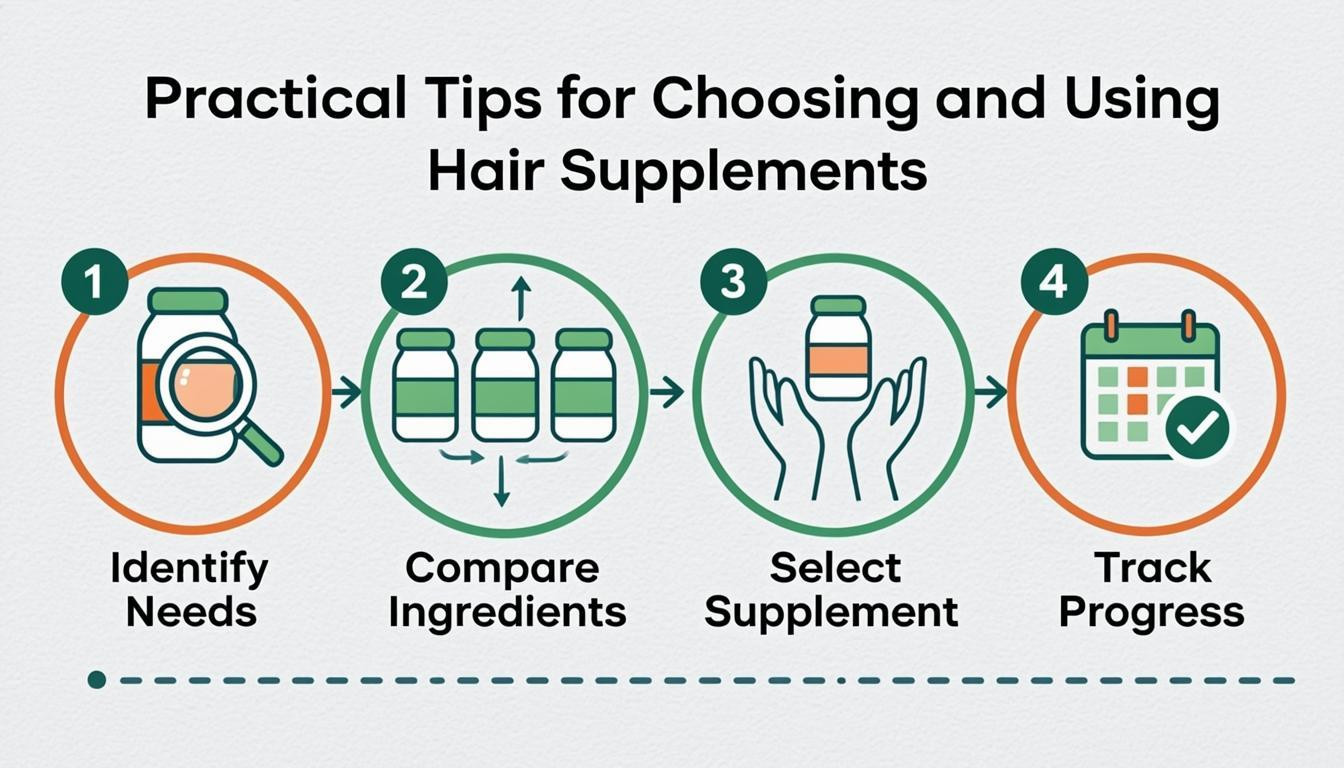
Practical Tips for Choosing and Using Hair Supplements
Selecting the best supplements for hair growth: biotin vs. collagen vs. keratin requires careful scrutiny of product labels to ensure quality and purity. Look for certifications indicating third-party testing, which verifies that the product contains the ingredients listed without harmful contaminants like heavy metals or unnecessary fillers. For example, a high-quality biotin supplement should list the specific form of B7 used, while collagen products should specify the source (e.g., bovine or marine) and hydrolyzation process for optimal absorption.
Determining the correct dosage and timing is essential for maximizing efficacy. Most water-soluble vitamins, like biotin, are often recommended in daily doses ranging from 2,500 to 5,000 mcg, while collagen peptides typically require 2.5 to 10 grams. Taking these consistently at the same time each day, preferably with a meal to enhance absorption, helps maintain steady nutrient levels in the bloodstream.
Integrating supplements into a balanced diet yields the best results. Hair health relies on a holistic nutritional approach, meaning pills should complement, not replace, whole food sources.
- Pair supplements with protein-rich foods like eggs or fish.
- Include vitamin C sources to boost collagen synthesis naturally.
- Stay hydrated to support nutrient transport to hair follicles.
This strategy ensures that the body utilizes the active ingredients effectively to support stronger, healthier hair.
Potential Side Effects and Safety Considerations
When evaluating the best supplements for hair growth: biotin vs. collagen vs. keratin, it is vital to acknowledge potential side effects. While generally considered safe, excessive intake of biotin can lead to inaccurate results in thyroid function tests or cause digestive issues like nausea or cramping. Collagen supplements may result in mild gastrointestinal discomfort, including bloating or a feeling of fullness. Keratin supplements, particularly those derived from animal sources, can sometimes cause stomach upset.
Interactions with medications and other supplements represent another safety concern. High doses of biotin may interfere with laboratory tests used to diagnose heart attacks or thyroid conditions, leading to misdiagnosis. Additionally, combining different hair growth supplements without professional guidance might result in nutrient overlap and toxicity.
Consult a healthcare professional before starting any new regimen under specific circumstances. You should seek medical advice if you are pregnant, nursing, or have a pre-existing medical condition. It is also crucial to consult a doctor if you are currently taking prescription medications, particularly anticonvulsants or antibiotics, to avoid adverse interactions.


Comments
0