

Introduction: Uncovering the Hidden Loops of Daily Life
Have you ever felt like you’re stuck on a treadmill, moving fast but getting absolutely nowhere? I’ve been there. We often blame our fatigue or brain fog on "just getting older," but the truth is usually lurking in the background. The concept of invisible patterns in behavior is real, and these silent loops run our lives on autopilot. They dictate how we sleep, how we react to stress, and how we fuel our bodies, often without us pressing a single button.
You might feel exhausted and wonder why your energy never returns, even after rest. Here is the hard truth: you’re feeling this because of a pattern your brain has created to conserve energy. When we repeat the same actions—skipping breakfast, scrolling through news at midnight, or drinking coffee to survive the afternoon—our bodies wire themselves to expect that cycle.
These hidden loops keep us trapped in a state of constant low-level stress. But recognizing them is the first step toward breaking free. Once we shine a light on these habits, we can finally start the work of rewiring our health.
- Reactions to stress that happen automatically
- Sleep habits that disrupt recovery
- Dietary choices that spike and crash energy
Setting the stage for awareness means pausing to look at these loops without judgment. Change isn't about willpower; it's about seeing the script you've been reading from and finally deciding to edit it.
Identifying Recurring Emotional Triggers
You know those days where you suddenly crash, feeling irritable or weepy out of nowhere? It’s easy to blame your hormones or a bad night's sleep, but often, you’re feeling this because of a pattern hiding in your daily life. Our bodies are incredibly observant, reacting to subtle cues we might overlook until the emotional weight becomes too much to carry.
To spot these cycles, pay attention to common signs of repetitive stress. You might notice your heart racing before a specific meeting or a heavy cloud of fatigue setting in every Sunday evening. These aren't random occurrences; they are signals.
- Sudden onset of brain fog at the same time daily
- Physical tension in your neck or shoulders upon entering a specific room
- An overwhelming urge to isolate yourself after certain social interactions
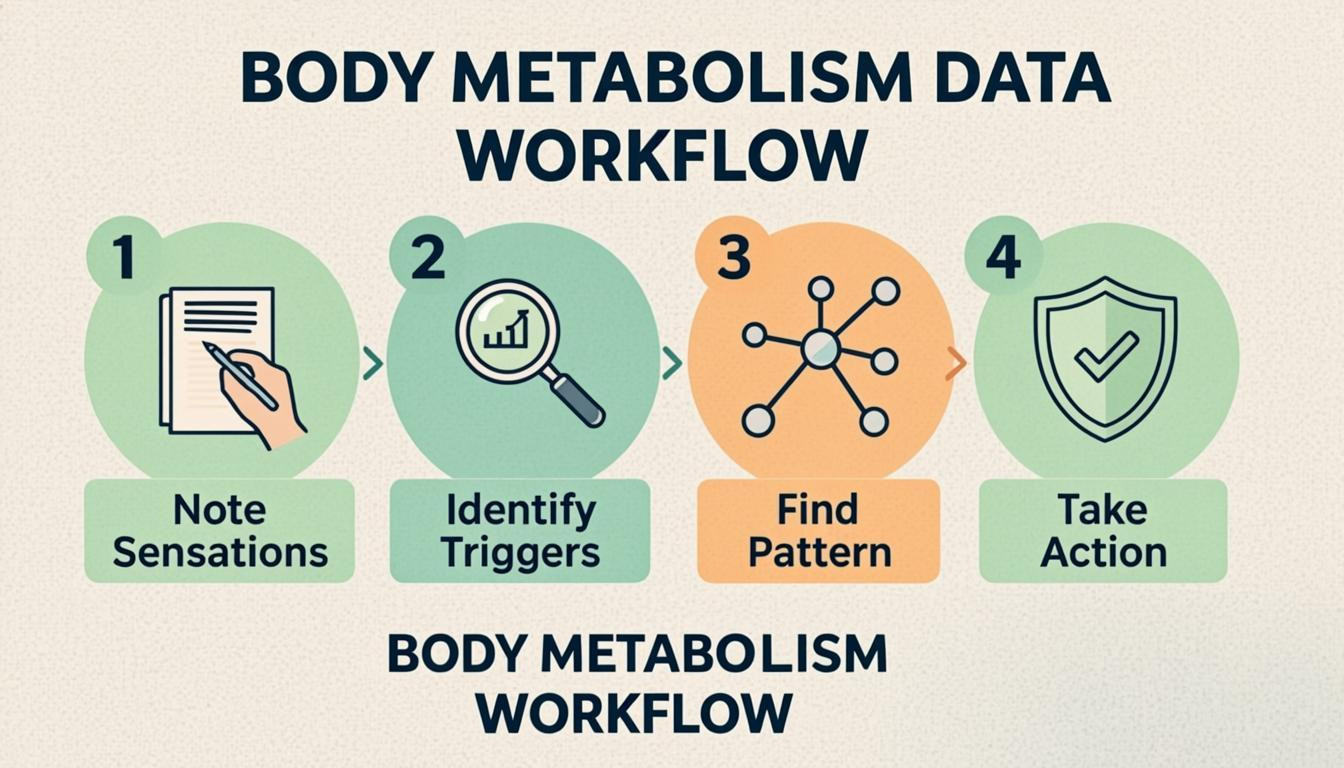
Tracking your emotional responses helps you connect the dots. Start a simple mood log, noting not just what you feel, but when and where. You might find your anxiety spikes in cluttered spaces or when your energy dips due to poor lighting. Recognizing the link between environment and mood is a game-changer. Often, the chaos around us creates a chaos within us. By identifying these external triggers, you can stop the cycle before it drains your thyroid energy even further.
Analyzing Physical Symptoms as Data Points
We often dismiss our aches and exhaustion as just "part of life," but these physical signals are actually data points telling a deeper story. When you look closer, you’re feeling this because of a pattern your body has been trying to flag for months, if not years. That heavy, dragging fatigue isn't random; it's the direct result of a mind-body connection that has been severed by chronic stress and pushing past your limits.
Your sleep disturbances are more than just annoying insomnia—they are indicators that your daily routine isn't supporting your recovery. Perhaps you are scrolling too late or drinking coffee past noon, and your body is paying the price.
- Waking up at 3 AM signifies cortisol spikes
- Difficulty falling asleep points to overstimulation
- Unrefreshing sleep suggests a lack of deep restoration cycles
Even your digestive issues are linked to these behavioral cycles. Bloating and irregularity often spike when we are rushed, anxious, or eating on the go. When we ignore these needs, we slip into a pattern of physical neglect where we prioritize productivity over our biology. Recognizing this cycle is the first step toward finally listening to what your body truly needs.
Breaking the Cycle of Negative Thought Loops
I know that spiral all too well. One minute you're fine, and the next, you're catastrophizing about a minor comment or worrying about your energy levels. It’s exhausting, but here is the truth: you’re feeling this because of a pattern. Your brain has wired itself to react this way over time, but the good news is that neuroplasticity means you can rewire it.
Cognitive reframing is a powerful tool to shift your perspective. Instead of thinking, "I'll never feel better," try gently shifting to, "I am taking steps to heal, and it takes time." It’s not about ignoring your feelings but viewing them through a more compassionate lens.
Interrupting the automatic stress response is equally crucial. When that wave of panic hits, your body enters fight-or-flight mode. You can break this cycle by grounding yourself physically:
- Take four deep, slow breaths.
- Feel your feet planted firmly on the floor.
- Name three things you can see in the room.
Establishing new neural pathways through mindfulness helps cement these changes. By practicing being present, you teach your brain to respond to stress with calmness rather than chaos. It takes practice, but slowly, the old loops lose their grip, and peace becomes your new default.
Practical Steps to Reset Your Daily Routine
If you feel stuck in a loop of exhaustion and brain fog, you’re feeling this because of a pattern your nervous system has learned to accept as normal. Resetting that pattern starts with how you greet the day. Instead of immediately checking your phone, try to keep the first twenty minutes screen-free. Drink a glass of water and get some natural light to signal to your body that it is time to wake up gently. This small shift sets a tone of safety rather than urgency.
Break the Exhaustion Loop
Support your thyroid and reset hidden patterns draining your energy. Restore natural balance.
During the day, tension builds up quietly until we feel overwhelmed. Incorporating micro-breaks can disrupt this cycle before it takes over. It doesn't have to be complicated; you just need to pause.
- Take sixty seconds to focus solely on your breathing.
- Stand up and stretch your arms overhead to reset your posture.
- Step outside for a brief moment of fresh air.
Finally, your evening ritual is essential for preventing mental carryover into your sleep. You need a clear boundary between "doing" and "resting." Try writing down a quick list of tomorrow's tasks to get them out of your head, then engage in something soothing like reading or gentle stretching. This tells your brain it is safe to power down.
Leveraging Social Patterns for Better Health
Have you ever left a gathering feeling completely wiped out, wondering what just happened? It’s frustrating, but often you’re feeling this because of a pattern in your social interactions that is silently draining your battery. Certain relationships or environments can trigger a stress response that leaves you exhausted before the day is even over.
Protecting your peace isn't selfish; it’s necessary. You need to identify which situations cost you the most energy and learn to set firm boundaries.
- Say "no" to events that promise drama instead of connection.
- Limit time with people who constantly complain or dismiss your health struggles.
- Schedule downtime immediately after high-energy social obligations to recover.
Sometimes we are too close to our own habits to see the damage they cause. That is why seeking external feedback is so powerful. A trusted friend can often point out that you consistently withdraw or become irritable in specific company. Spotting these blind spots helps you rearrange your social life to support your healing, rather than hinder it.
Conclusion: Mastering Your Patterns for Long-Term Wellness
By now, you’ve likely realized that those random, frustrating symptoms aren't so random after all. When you wake up exhausted despite sleeping eight hours, or feel that mid-afternoon brain fog setting in, you’re feeling this because of a pattern your body has fallen into. Understanding this connection is the first step toward taking back control, shifting you from a place of confusion to one of clarity and empowerment.
Creating a sustainable action plan doesn’t require a total life overhaul; it just requires small, consistent steps. Start by picking just one area—whether it's your sleep hygiene, your stress management, or your nutrition—and commit to it for two weeks.
- Track your daily symptoms alongside your habits to spot triggers
- Set realistic boundaries to protect your energy reserves
- Celebrate small wins rather than waiting for perfection
Remember, this is a journey, not a race. Be gentle with yourself as you navigate these changes. Encouragement for ongoing self-reflection is vital; make it a habit to check in with yourself weekly. As you continue to observe and adjust, you’ll build a life that supports your thyroid health rather than working against it. You’ve got this.

Comments
0