
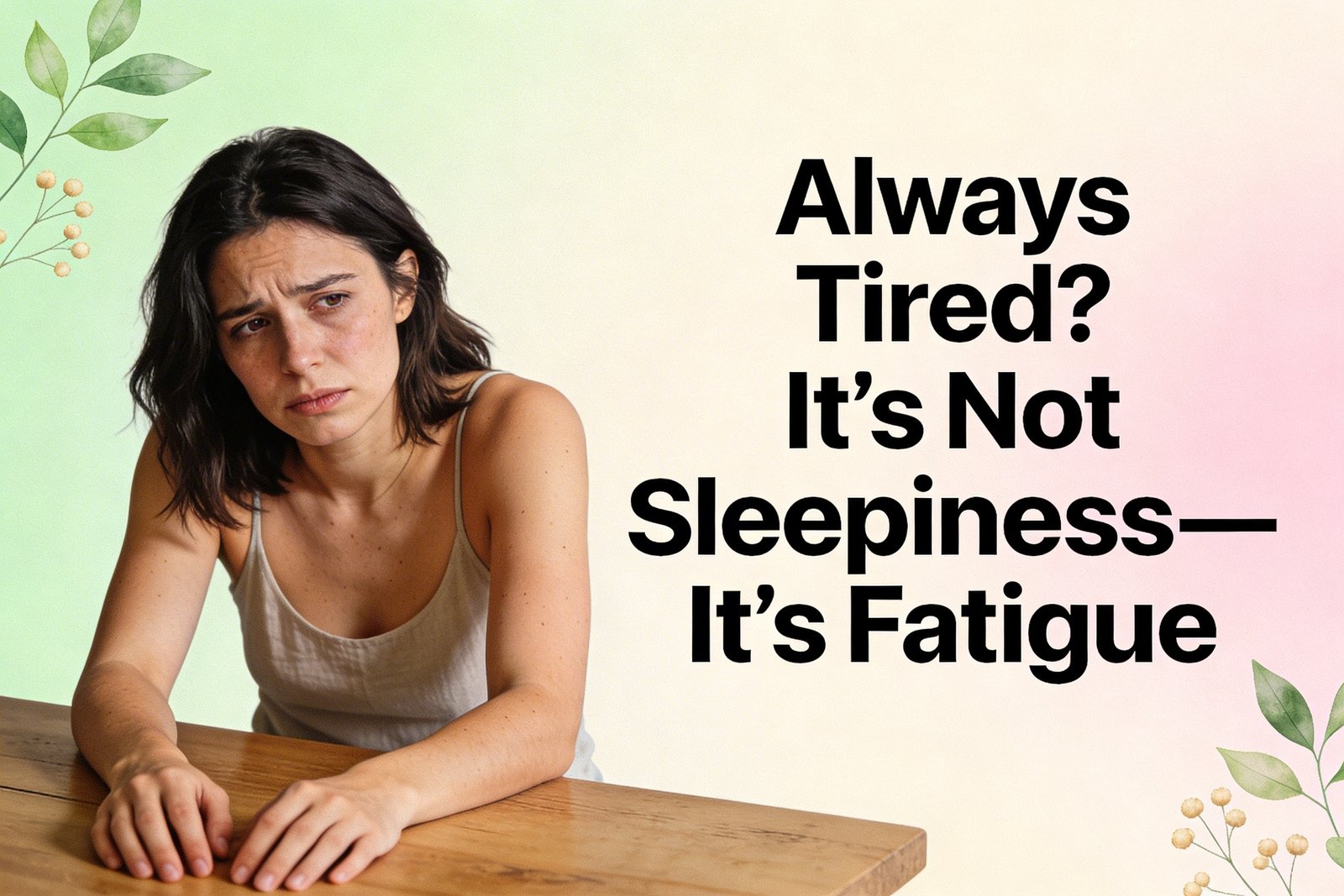
Why You’re Always Tired but Not Sleepy: The Difference Between Fatigue and Sleepiness
You pour yourself a third cup of coffee by noon, yet your energy levels remain at rock bottom. You drag yourself through your to-do list, your body feels heavy, and your brain feels like it's wrapped in fog. But here’s the confusing part: when you finally collapse into bed at night, you just… stare at the ceiling. You aren’t sleepy. You are just exhausted.
If this sounds familiar, you aren’t alone. This is a incredibly common frustration among women juggling careers, families, and personal lives. Understanding why you are always tired but not sleepy: the difference between fatigue and sleepiness is the first step toward getting your spark back. While we often use these words interchangeably, they are actually two very different physiological signals. In this article, we’ll unravel the mystery behind that "tired but wired" feeling and explore actionable ways to recharge your batteries.
What Is the Difference Between Fatigue and Sleepiness?
It is easy to confuse sleepiness and fatigue, but distinguishing between them is crucial for finding the right solution.
Sleepiness (or drowsiness) is essentially the struggle to stay awake. It’s that heavy eyelid feeling you get after a sleepless night or during a boring movie. Your body is craving rest, and if you lay down, you could likely drift off quickly. It is physically driven by the need for sleep.
Fatigue, on the other hand, is a deep, persistent lack of energy or exhaustion. It isn't about needing to close your eyes; it’s about feeling like your battery is at 1% despite being fully charged. You can feel fatigued without being sleepy at all. In fact, many women with fatigue feel "tired but wired"—mentally exhausted but physically restless. This distinction matters because taking a nap won't cure true fatigue; it requires addressing the underlying root cause, whether that’s hormonal, nutritional, or emotional.
Signs and Symptoms
Recognizing which camp you fall into can help you manage your days better. Here are the key indicators to look out for:
- The "Heavy Limbs" Sensation: You feel like your arms and legs weigh a hundred pounds. Simple tasks, like climbing stairs or carrying groceries, feel like a marathon.
- Brain Fog: You find yourself reading the same paragraph three times, forgetting why you walked into a room, or struggling to find the right words in conversation.
- Lack of Motivation: It’s not just that you can’t do things; it’s that you don’t want to. Hobbies and social plans that used to excite you now feel like chores.
- Emotional Volatility: You might feel tearful, irritable, or unusually impatient with your partner or children over minor issues.
- The "Tired but Wired" Night: Despite feeling drained all day, your mind races the moment your head hits the pillow. You are physically exhausted but mentally alert.
Common Causes
Why do so many women in their 30s, 40s, and 50s experience this draining disconnect? Here are the most common culprits:
1. Hormonal Shifts
Our hormones are the chemical messengers of our body, and when they fluctuate, energy crashes. For women, this is often linked to:
- Perimenopause and Menopause: Drops in estrogen and progesterone can directly impact energy levels and sleep quality.
- Thyroid Imbalance: The thyroid controls your metabolism. If it’s underactive (hypothyroidism), everything in your body slows down, leading to significant fatigue.
- Menstrual Cycle: Iron levels drop during menstruation, which can lead to anemia, a classic cause of feeling tired but weak.
2. Chronic Stress and Adrenal Function
When you are constantly stressed, your body remains in a state of "fight or flight," pumping out cortisol. Over time, this creates a "crash" effect. You are running on adrenaline all day, which makes you feel exhausted, but your nervous system is too hyped up to allow for actual sleep or relaxation at night.
3. Nutritional Deficiencies
Even with a healthy diet, you might be missing key fuel. Common deficiencies leading to fatigue include:
- Iron: Essential for oxygen transport in the blood.
- Vitamin B12: Crucial for energy production and brain health.
- Vitamin D: Low levels are notoriously linked to low mood and fatigue.
4. Sedentary Lifestyle
It sounds counterintuitive, but moving less actually makes you more tired. Without regular physical activity, your mitochondria (energy powerhouses in your cells) become less efficient, making your body feel sluggish and weak.
Natural Solutions and Tips
The good news is that you don't have to live in a permanent state of exhaustion. Here are natural, holistic strategies to help you combat fatigue:
- Prioritize Nutrient-Dense Foods: Focus on a balanced diet rich in iron, leafy greens, lean proteins, and healthy fats. Avoid the blood sugar rollercoaster by minimizing processed sugars and refined carbs, which cause energy spikes followed by crashes.
- Gentle Movement: You don't need to run a marathon. Start with 15 minutes of brisk walking or yoga. Movement boosts circulation and helps regulate stress hormones.
- Stress Management Techniques: Since stress is a major energy vampire, find what calms your nervous system. This could be meditation, deep breathing exercises, journaling, or simply spending time in nature.
- Hydrate: Dehydration mimics fatigue. Aim for at least 8 glasses of water a day to keep your energy levels steady.
- Create a Digital Sunset: Turn off screens one hour before bed to help your brain wind down. Replace scrolling with a warm bath or a good book to signal to your body that it is time to rest, not just sleep.
Is Your Thyroid The Cause?
Some women support thyroid balance using supplements like Thyrafemme to help fight fatigue and regain natural energy.
When to See a Doctor
While lifestyle changes are powerful, fatigue can sometimes be a symptom of a medical condition that requires professional care. It is time to book an appointment if:
- Your fatigue persists for more than two weeks despite getting adequate sleep.
- You experience unexplained weight loss or gain.
- You have heavy menstrual periods or other changes in your cycle.
- You feel depressed or lose interest in life entirely.
Be prepared to advocate for yourself. Ask your doctor to check your iron stores (ferritin), Vitamin D levels, thyroid function (TSH, Free T3, and T4), and B12 levels. Keeping a symptom diary can also help your provider connect the dots.
Supporting Your Health Journey
Balancing hormones and restoring energy is often a multifaceted journey involving diet, stress management, and sometimes targeted supplementation. Some women find that supporting thyroid balance naturally with supplements like Thyrafemme can be a helpful addition to their routine. Of course, every woman is biochemically unique, so it’s important to view supplements as one piece of a larger holistic puzzle. Always discuss any new supplements with your healthcare provider to ensure they are safe and appropriate for your specific health history.
Key Takeaways
- Know the Difference: Sleepiness means you need sleep; fatigue means you lack energy and rest won't always fix it.
- Look Beyond the Bed: Since fatigue isn't just about sleep, focus on nutrition, stress reduction, and hormonal health rather than just napping.
- Listen to Your Body: Persistent fatigue is not "normal" just because you are busy or aging. It is a signal from your body that something needs attention.
- Take Small Steps: Simple changes like hydration, gentle movement, and blood sugar balance can significantly improve your energy levels over time.
You deserve to feel vibrant and energized. By understanding the difference between fatigue and sleepiness, you can stop just "surviving" the day and start truly thriving.

Comments
0